Introduction
One of the first questions people ask before starting a poultry farm in Nigeria is simple: how much money do I need?
There is no single amount that applies to every poultry farm. The total startup cost depends on the number of birds, type of poultry, housing system, location, equipment, feed prices, labour, water supply, electricity, and the scale of the operation.
A small poultry farm will require a very different budget from a commercial farm with thousands of birds.
The important thing is not simply knowing how much money you need. You also need to understand where the money will go and how much working capital you will need after the farm begins operating.
What Determines the Cost of Starting a Poultry Farm?
Several factors influence the amount required to establish a poultry farm.
- Number of birds
- Broiler or layer production
- Cost of chicks
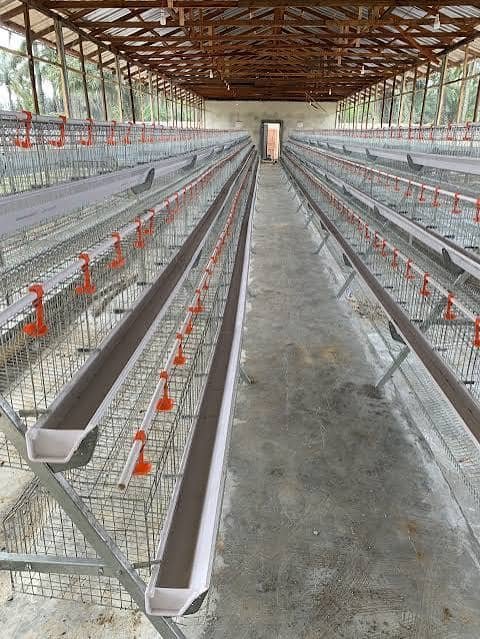
- Poultry house
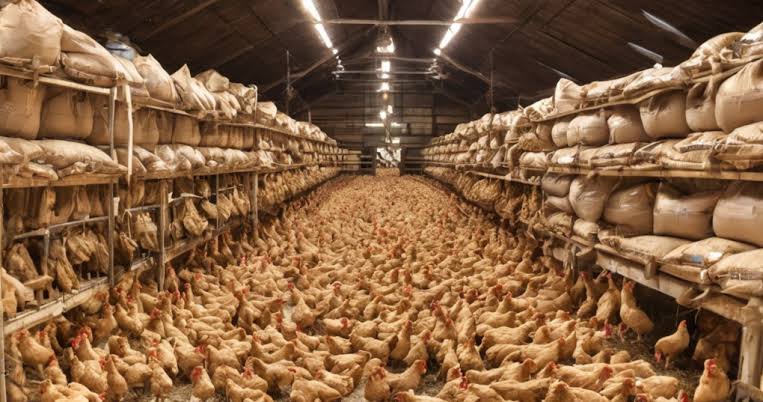
- Feed
- Feeders and drinkers
- Water supply
- Electricity
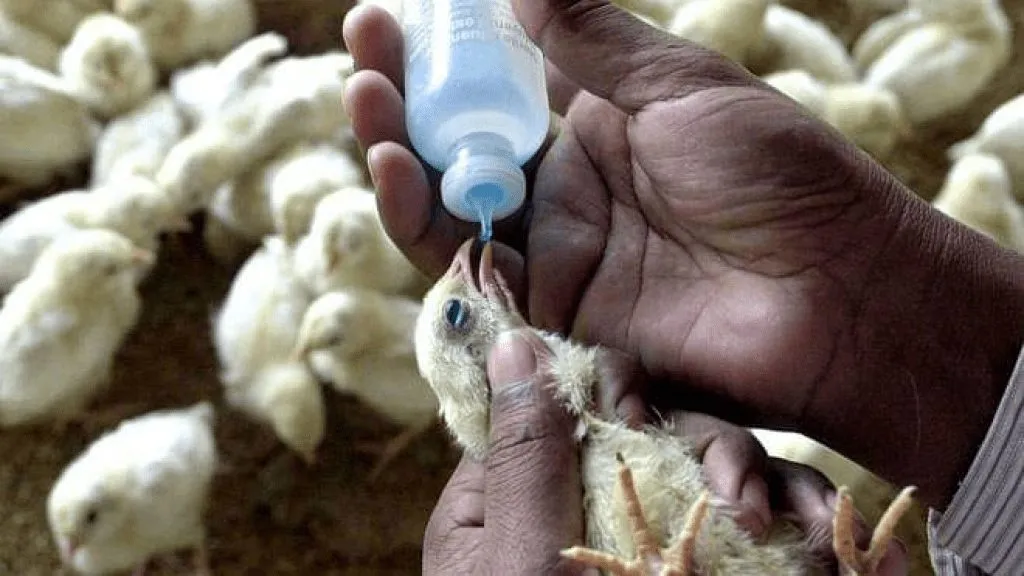
- Vaccination and veterinary care
- Labour
- Litter materials
- Transportation
- Biosecurity equipment
- Cleaning and disinfection
- Marketing
- Emergency funds
Because these costs can change over time and vary by location, farmers should obtain current local prices before preparing a final budget.
Cost of Poultry Chicks
The first major expense for many new poultry farmers is purchasing chicks.
The price can vary according to breed, strain, hatchery, location, season, vaccination status, and market conditions.
Before purchasing, compare reputable suppliers and ask about the source and health status of the birds.
Do not automatically choose the cheapest chicks. Poor-quality or unhealthy birds can create additional problems during the production cycle.
Cost of Building a Poultry House
Your poultry house can represent a significant part of the initial investment.
The cost depends on the size and design of the building, materials used, location, labour, roofing, flooring, ventilation, drainage, and the type of production system.
Farmers should plan the poultry house around the number and type of birds they intend to keep.
It is usually better to have a properly planned house that can be managed efficiently than to build a large structure that the farmer cannot afford to operate.
Cost of Poultry Equipment
Poultry production requires equipment for feeding, watering, cleaning, brooding, and general flock management.
Depending on the scale and production system, equipment may include:
- Feeders
- Drinkers
- Brooders
- Heat sources
- Water storage tanks
- Egg trays for layer operations
- Lighting equipment
- Cleaning equipment
- Disinfection equipment
- Protective clothing and footwear
The amount you spend will depend on your production scale and the equipment appropriate for your system.
Feed Is One of the Biggest Expenses
Feed is one of the most important costs to consider when preparing a poultry budget.
According to Nigeria's Federal Ministry of Livestock Development, feed can account for more than 70 percent of total input costs in poultry production.
This means that a farmer who wants to operate profitably must pay close attention to feed purchasing, storage, wastage, and flock performance.
When preparing a budget, do not calculate only the amount required for the first few weeks. Estimate feed requirements across the expected production cycle.
Cost of Water
Poultry birds require reliable access to clean water.
If your farm does not already have a dependable water source, you may need to budget for a borehole, well, storage tank, pumping equipment, plumbing, or another suitable water system.
Water costs should also be considered as an ongoing operating expense rather than only a startup expense.
Electricity and Power Costs
Electricity may be required for lighting, water pumping, ventilation, brooders, refrigeration, security, and other farm activities.
Where public electricity is unreliable, farmers may also need to consider alternative power sources.
Estimate the likely energy requirements before starting so that power expenses do not become an unexpected burden.
Vaccination and Veterinary Costs
Bird health should be included in your poultry budget from the beginning.
Depending on the production system and local disease risks, expenses may include vaccination, veterinary consultation, diagnostic services, medications where appropriately prescribed, and other animal health requirements.
Do not wait for disease problems before considering the cost of animal health management.
Labour Costs
The amount of labour required depends on the size and complexity of the farm.
A very small operation may be managed by the owner or family members, while a larger commercial farm may require dedicated farm workers and supervisors.
When calculating profitability, include the actual value of labour even if you are managing the farm yourself.
Biosecurity Costs
Biosecurity should also be part of the budget.
Depending on the farm, this may include disinfectants, protective clothing, dedicated footwear, hand-washing facilities, footbaths, cleaning equipment, fencing, visitor-control measures, and pest-control measures.
Spending money on prevention can help reduce the risk of much larger losses caused by disease outbreaks.
Transportation Costs
Transportation is another cost that new farmers sometimes overlook.
You may need to transport chicks, feed, equipment, eggs, mature birds, workers, or other farm supplies.
If the farm is located far from major suppliers or markets, transportation can become a significant operating expense.
Marketing Costs
A poultry business needs customers.
Marketing expenses can include transportation to customers, packaging, advertising, social media promotion, signage, and other customer-acquisition activities.
Even if you have a good flock, you still need a reliable way to connect your products with buyers.
Do Not Spend All Your Money on Construction
One common mistake among new farmers is spending most of their available capital on the poultry house and having very little money left for operations.
A poultry farm needs working capital after the construction is completed.
You still have to purchase feed, manage water, pay labour, maintain the farm, deal with health expenses, and handle unexpected problems.
Your startup budget should therefore distinguish between fixed costs and working capital.
Fixed Costs vs Operating Costs
Fixed or establishment costs are expenses associated with setting up the farm.
Examples include:
- Poultry house construction
- Water infrastructure
- Major equipment
- Fencing
- Storage facilities
Operating costs are recurring expenses involved in keeping the farm running.
Examples include:
- Feed
- Chicks
- Labour
- Electricity
- Water
- Veterinary care
- Transportation
- Cleaning materials
- Marketing
Understanding the difference can help you plan your finances more effectively.
How to Prepare a Poultry Farm Budget
Start by deciding how many birds you want to raise.
Then create a table containing every expected expense.
For example:
- Chicks
- Housing
- Feed
- Equipment
- Water
- Electricity
- Labour
- Health management
- Transportation
- Biosecurity
- Marketing
- Emergency reserve
Contact local suppliers and obtain current prices for each item.
Then calculate the estimated cost per bird or per production cycle.
Why You Should Keep an Emergency Fund
Agriculture does not always follow your original plan.
Feed prices can change. Market prices can fall. Equipment can fail. Mortality can occur. Unexpected veterinary expenses can arise.
For that reason, do not invest every available naira into the initial setup without leaving money for unexpected expenses.
Can You Start Poultry Farming With Limited Capital?
Yes, poultry farming can be started at different scales, but the size of the operation should match the resources available to the farmer.
If your capital is limited, consider starting with a manageable flock and learning the production process before expanding.
Expansion should be based on actual performance, available markets, working capital, and management capacity rather than simply the desire to have more birds.
How to Reduce Poultry Production Costs
Reducing costs does not mean compromising bird health or buying poor-quality inputs.
Instead, focus on reducing waste and improving efficiency.
- Reduce feed wastage
- Store feed properly
- Monitor feed consumption
- Maintain good biosecurity
- Reduce avoidable mortality
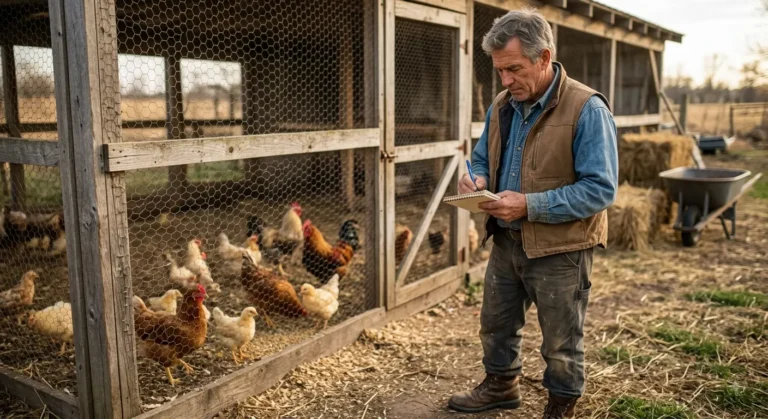
- Keep accurate farm records
- Compare supplier prices
- Maintain equipment properly
- Plan transportation efficiently
- Buy according to actual production needs
How to Calculate Whether Your Poultry Farm Is Profitable
Profit is not simply the money received from selling birds or eggs.
You need to subtract the total cost of producing those birds or eggs.
A simple approach is:
Profit = Total Revenue - Total Production Costs
For example, if your total revenue from a production cycle is ₦5,000,000 and your total production expenses are ₦4,200,000, the estimated operating profit before other applicable costs and taxes would be ₦800,000.
The actual calculation for a real farm should include all relevant expenses rather than relying on rough estimates.
Do Your Research Before Spending Money
Poultry farming costs vary considerably between locations and over time.
Feed prices, chick prices, construction materials, labour, transportation, and selling prices can all change.
Before starting your farm, speak with local suppliers, farmers, veterinarians, agricultural professionals, and potential customers.
Use current local prices when preparing your budget.
Final Thoughts
The cost of starting a poultry farm in Nigeria depends on the scale and type of operation you want to establish.
Instead of asking only how much money you need to start, ask a more useful question:
How much money do I need to establish and operate the farm properly until it begins generating reliable revenue?
That approach gives you a more realistic picture of the capital required.
Plan your housing, feed, water, health management, labour, equipment, marketing, and emergency funds before purchasing your birds.
At JENFRANK FARMS, we believe that good agricultural businesses are built on proper planning, responsible farm management, and reliable information.
Continue exploring the JENFRANK FARMS blog for more practical guides on poultry farming, livestock production, animal feeds, farm management, and agribusiness.
Disclaimer
This article is provided for general educational and informational purposes only. Poultry production costs vary according to location, production system, market conditions, bird type, supplier prices, and other factors. Farmers should obtain current local prices and seek appropriate professional agricultural, veterinary, and financial advice before making significant investments.
Comments
0 commentsBe the first to leave a comment on this article.