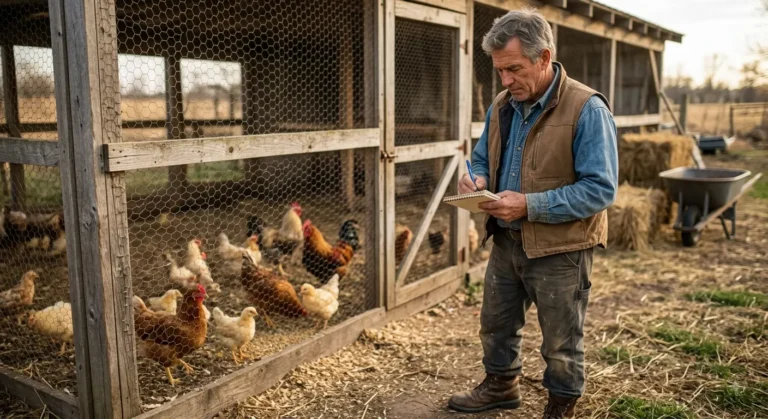
Introduction
The arrival of day-old chicks is an exciting moment for any poultry farmer.
But before the chicks arrive, there is quite a bit of work to do.
A common mistake among new farmers is to purchase chicks first and start preparing the poultry house afterward. That can create unnecessary pressure and may leave important things unfinished.
The better approach is simple: prepare everything before the birds arrive.
1. Clean the Poultry House
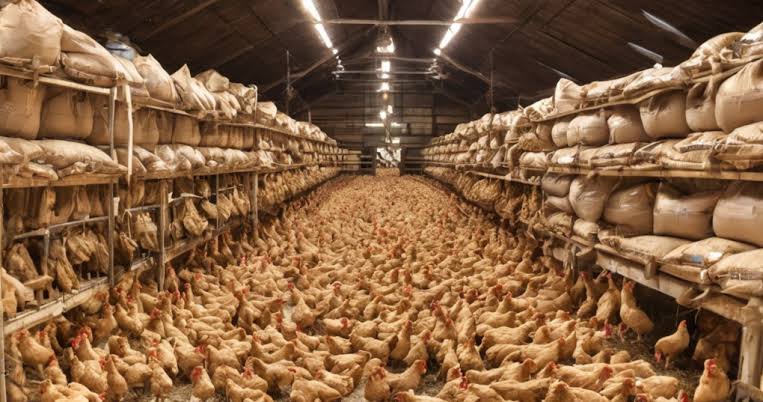
Start by thoroughly cleaning the poultry house.
Remove old litter, feathers, leftover feed, dust, and other waste from previous production cycles.
Clean the floor, walls, equipment, feeders, drinkers, and other surfaces that require attention.
A clean environment helps establish better hygiene for the new flock.
2. Prepare the Brooder
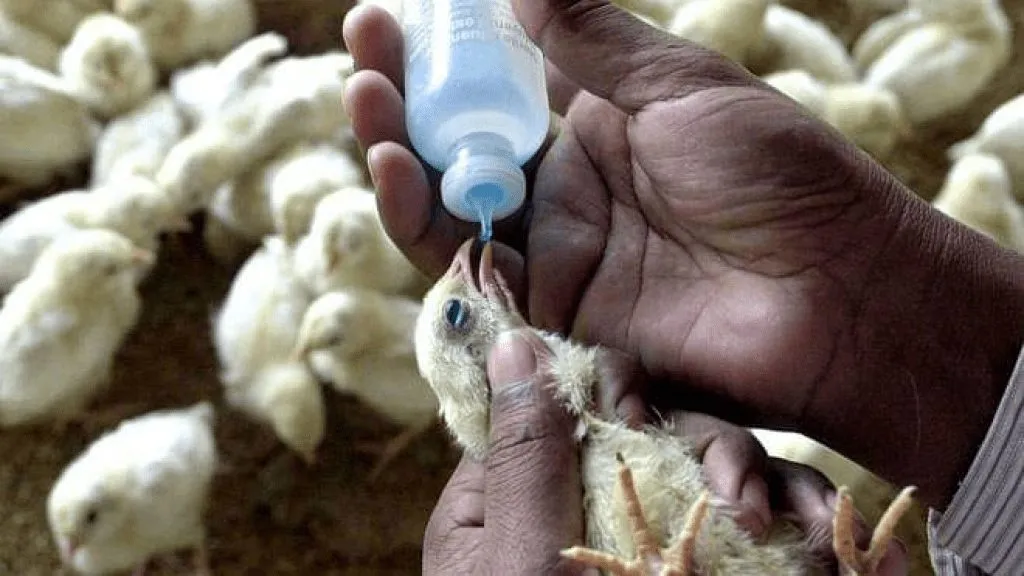
Young chicks require appropriate brooding conditions during their early days.
Make sure the brooding area is ready before the chicks arrive.
Check the heating system and make sure it is functioning properly.
The brooder should provide suitable warmth while still allowing adequate ventilation.
3. Prepare the Litter
Use appropriate, clean litter material and spread it evenly across the brooding area.
The litter should be kept dry and monitored regularly after the chicks arrive.
Wet litter can create unnecessary hygiene and management problems.
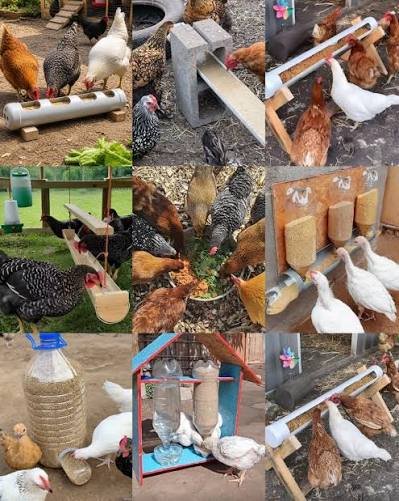
4. Set Up Feeders
Have enough suitable feeders available for the number and age of birds you intend to raise.
Clean the feeders before use.
Position them so that chicks can easily access the feed without unnecessary crowding or spilling.
5. Prepare Drinking Water
Clean drinking water should be available when the chicks arrive.
Clean and position the drinkers properly before arrival.
Check them regularly to ensure that they are functioning and not leaking.
6. Have Starter Feed Ready
Do not wait until the chicks arrive before looking for feed.
Purchase appropriate starter feed in advance and store it properly.
Keep the feed in a clean, dry location protected from moisture, rodents, insects, and other contaminants.
7. Check Ventilation
Good ventilation is important for maintaining an appropriate poultry house environment.
Before the chicks arrive, inspect windows, vents, curtains, fans, or other ventilation arrangements available in your housing system.
The goal is to provide appropriate air movement without exposing young chicks to unsuitable environmental conditions.
8. Inspect the Building
Walk through the entire poultry house before bringing in the birds.
Look for:
Holes in walls
Damaged roofing
Leaking drinkers
Broken feeders
Poor drainage
Gaps where rodents can enter
Electrical problems
Other safety concerns
Fix problems before the chicks arrive.
9. Protect the Farm From Pests
Rats, mice, insects, and wild birds can create management and biosecurity challenges.
Inspect the poultry house and feed storage area for signs of pests.
Store feed securely and avoid leaving spilled feed around the farm.
10. Prepare Your Farm Records
Good record keeping should begin from the first day.
Prepare a record system for:
Number of chicks received
Date of arrival
Source of chicks
Feed purchased
Feed consumed
Mortality
Vaccination and treatment records
Expenses
Growth or production
Sales
You do not need a complicated system.
Even a simple, consistently maintained record book can be extremely useful.
11. Plan Your Biosecurity
Think about who will enter the poultry house and how movement around the farm will be controlled.
Avoid unnecessary visitors and maintain appropriate hygiene practices.
Where there are multiple poultry houses, consider how people, equipment, and birds move between them.
12. Prepare for Emergencies
Farmers should have a basic plan for unexpected situations.
Think about what you will do if:
Electricity fails
Water supply is interrupted
Heating equipment stops working
Feed delivery is delayed
Severe weather occurs
Birds show unusual signs of illness
Being prepared can save valuable time.
Final Thoughts
Successful poultry farming starts before the chicks arrive.
A properly cleaned house, suitable brooding environment, clean water, appropriate feed, functioning equipment, good ventilation, and basic biosecurity can give the flock a stronger start.
Preparation may seem like extra work when you are eager to receive your birds, but it is one of the easiest ways to avoid unnecessary problems later.
At JENFRANK FARMS, we believe good farming begins with good preparation.
Disclaimer
This article is provided for general educational purposes and does not replace professional veterinary, agricultural, or animal nutrition advice. Specific brooding and poultry management requirements can vary according to bird type, age, housing system, climate, and other conditions.
Comments
0 commentsBe the first to leave a comment on this article.