Introduction
If you are thinking about starting a poultry business, one of the first decisions you will face is whether to raise broilers or layers.
Both can provide opportunities for farmers, but they are very different businesses.
Broilers are primarily raised for meat, while layers are managed primarily for egg production. Their production cycles, feeding programs, housing requirements, cash flow, and marketing strategies are therefore different.
Understanding these differences before investing your money can help you choose a production system that matches your goals and resources.
What Are Broilers?
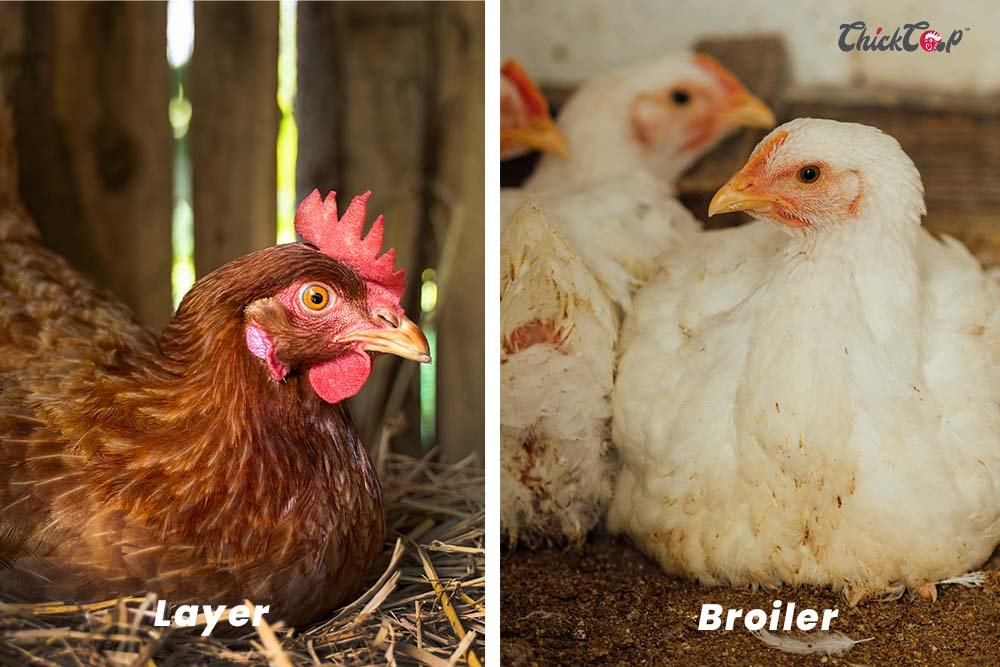
Broilers are chickens bred primarily for meat production.
They are selected for relatively rapid growth, allowing farmers to raise a flock and sell the birds once they reach an appropriate market size.
The shorter production cycle can make broiler farming attractive to farmers who want to complete production cycles and reinvest their money relatively quickly.
What Are Layers?
Layers are chickens raised primarily for egg production.
Unlike broilers, layers must be managed through their growing stage before reaching the stage where they begin producing eggs.
Once laying begins, the farmer's business becomes focused on maintaining the flock, managing feed and health, collecting eggs, reducing breakage, and finding reliable buyers.
Broilers vs Layers: The Main Difference
The simplest difference is the product you are selling.
With broilers, the main product is meat.
With layers, the main product is eggs, although spent birds may also have value at the end of their productive period.
This difference affects almost every part of the business.
Production Cycle
Broilers generally have shorter production cycles because they are bred for meat production.
Layers require a longer period before meaningful egg production begins.
This means broiler farmers may receive revenue sooner, while layer farmers need to plan for a longer period before the flock generates substantial egg income.
Cash Flow
Cash flow is one of the biggest differences between the two businesses.
A broiler farmer typically spends money during the production cycle and receives a larger portion of the revenue when the birds are sold.
A layer farmer invests in raising the birds before they begin laying and then can potentially generate more regular revenue from egg sales once production is established.
This makes financial planning especially important for new layer farmers.
Feeding Requirements
Both broilers and layers require appropriate nutrition, but their nutritional requirements change according to their purpose and stage of production.
Broiler feeding programs are designed to support efficient growth and meat production.
Layer feeding programs must support growth and later egg production, including the nutritional requirements associated with maintaining productive laying birds.
Feed should be selected according to the birds' production stage and appropriate nutritional guidance.
Housing Requirements
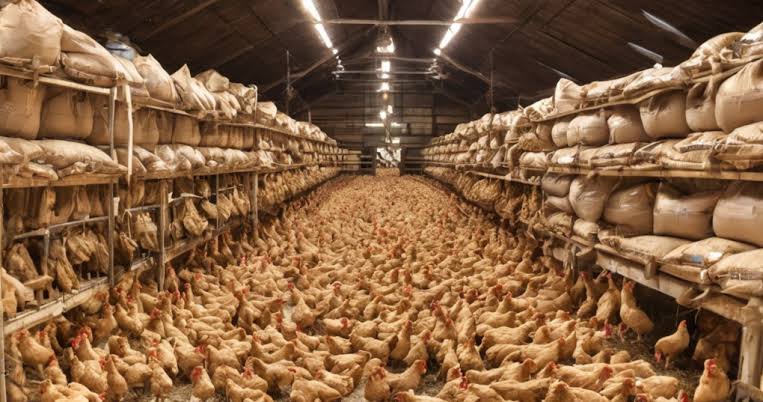
Both broilers and layers require suitable housing, ventilation, clean water, appropriate stocking density, lighting, feeding equipment, and effective hygiene.
However, the practical housing system may differ depending on the farmer's production method.
Some layer operations use deep-litter systems, while others use cage systems or other production arrangements.
The appropriate choice depends on the farmer's resources, management system, local conditions, and production objectives.
Which Requires More Patience?
Layer farming generally requires more patience because the farmer has to invest in raising the birds before they reach the egg-production stage.
Broiler production can provide a faster production cycle, but that does not automatically make it easier or more profitable.
Broilers still require careful management of feed, temperature, health, mortality, housing, and marketing.
Which Is Easier for a Beginner?
There is no universal answer.
A beginner who wants a shorter production cycle may find broiler farming more suitable.
Another farmer may prefer layers because of the opportunity to generate recurring income from eggs after the birds reach production.
Your decision should be based on your capital, experience, market, housing, access to feed, labour, and ability to manage the production cycle.
Market Demand
Before choosing between broilers and layers, research the market around you.
For broilers, identify potential customers for live birds or processed poultry meat.
For layers, identify customers such as households, restaurants, hotels, bakeries, retailers, wholesalers, and egg distributors.
A farmer should not assume that customers will automatically appear after production begins.
What About Profitability?
Both broiler and layer farming can be profitable, but neither guarantees profit.
Profitability depends on factors such as:
- Cost of chicks or pullets
- Feed costs
- Mortality
- Bird performance
- Egg production
- Labour
- Veterinary costs
- Electricity and water
- Transportation
- Market prices
- Farm management
For this reason, it is better to ask which system fits your resources and market rather than asking which one is automatically more profitable.
Advantages of Broiler Farming
- Shorter production cycle
- Opportunity to sell birds within a relatively short period
- Can be started at different scales
- Strong demand for poultry meat in many markets
- Allows farmers to reinvest after completing production cycles
Challenges of Broiler Farming
- Feed costs can be significant
- Bird health must be carefully managed
- Mortality can reduce expected returns
- Market prices can change
- Farmers need reliable buyers
- Rapid growth requires good management
Advantages of Layer Farming
- Potential for regular egg sales
- Eggs have multiple potential markets
- Can provide recurring farm revenue once production is established
- Manure can provide an additional agricultural product
Challenges of Layer Farming
- Longer period before egg production
- Significant feeding costs
- Requires consistent flock management
- Egg production can be affected by health and environmental problems
- Farmers need reliable egg markets
- Long-term financial planning is important
Questions to Ask Before Choosing
Before choosing broilers or layers, ask yourself:
- How much capital do I have?
- How quickly do I need revenue?
- Do I have reliable buyers?
- Can I afford the required feed throughout the production period?
- Do I have suitable housing?
- How much labour can I provide?
- Do I have reliable water and electricity?
- Can I maintain good biosecurity?
- Do I have access to veterinary or animal health support?
- What poultry market exists around my location?
Which One Should You Choose?
If your priority is a relatively shorter production cycle and selling birds for meat, broiler farming may be worth considering.
If your goal is to build a business around ongoing egg production and you can support the flock through its growing stage, layer farming may be more appropriate.
Neither option should be chosen simply because another farmer claims it is profitable.
Your location, capital, management ability, market, feed costs, and production goals all matter.
Final Thoughts
Broiler and layer farming can both provide opportunities for poultry farmers in Nigeria, but they require different approaches.
Broilers are primarily a meat-production business with a relatively shorter production cycle, while layers require a longer investment period before generating regular egg revenue.
Before starting, understand the costs, production requirements, health management, market, and cash-flow pattern of the option you choose.
At JENFRANK FARMS, we believe that good agricultural decisions begin with good information. Continue exploring our blog for practical information on poultry farming, animal feeds, livestock management, and agribusiness.
Disclaimer
This article is provided for general educational and informational purposes only. Poultry production outcomes vary according to breed, location, feed costs, management practices, disease risks, market conditions, and other factors. Farmers should seek appropriate agricultural and veterinary advice before making significant production decisions.
Comments
0 commentsBe the first to leave a comment on this article.