
A well-organised medicine store helps farmers respond faster when animals need care. This guide explains how to plan a basic farm medicine bay — not as a prescription list, but as a practical framework for responsible stocking and storage.
Important: This article is general farm education, not veterinary diagnosis or treatment advice. Always consult a qualified veterinarian before using medicines on your animals.
Plan before you buy
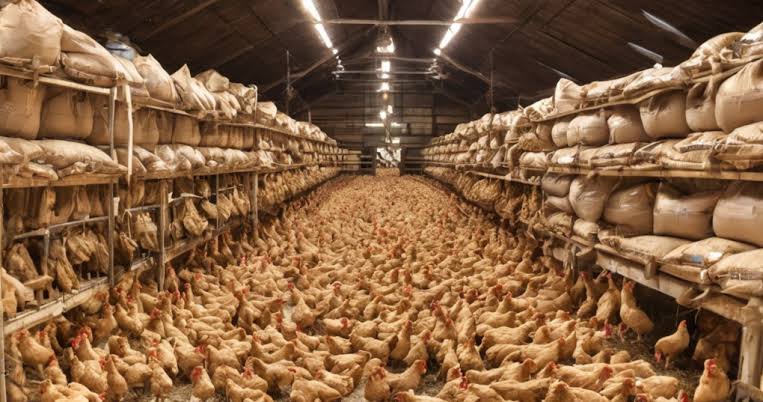
Stock levels should reflect your livestock type, herd size, and how quickly you can reach a vet or agro-vet shop. A small poultry unit has different needs from a mixed cattle and goat farm. Start with essentials you are likely to use under veterinary guidance rather than buying products “just in case.”
Useful categories many farms consider
- Parasite control — dewormers and external parasite products where recommended by a vet.
- Vaccines and biologics — often time-sensitive; storage and cold chain matter.
- Disinfectants and wound care — for equipment, housing, and minor husbandry needs.
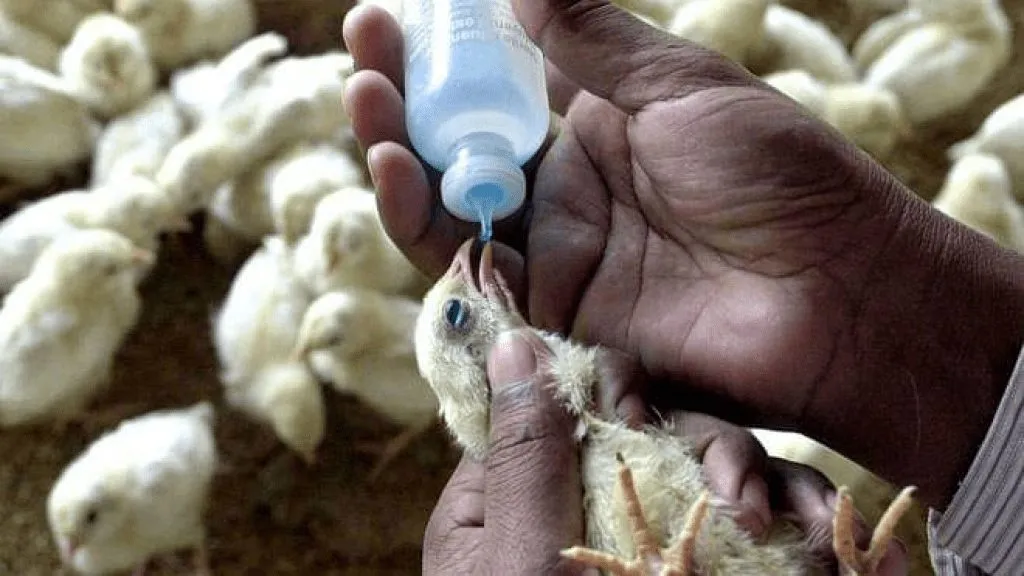
- Supportive products — electrolytes, vitamins, or supplements when advised for recovery or stress periods.
- Basic administration supplies — syringes, gloves, and measuring tools kept clean and dry.
Jenfrank Farms stocks veterinary medicines for farm use. Product availability changes — confirm what is in store before travelling.
Storage and handling
- Keep products in original labelled containers.
- Store in a cool, dry, locked area away from feed and out of reach of children.
- Check expiry dates during monthly stock checks.
- Follow label directions for temperature-sensitive items.
- Dispose of expired or opened products according to local guidance.
Record keeping
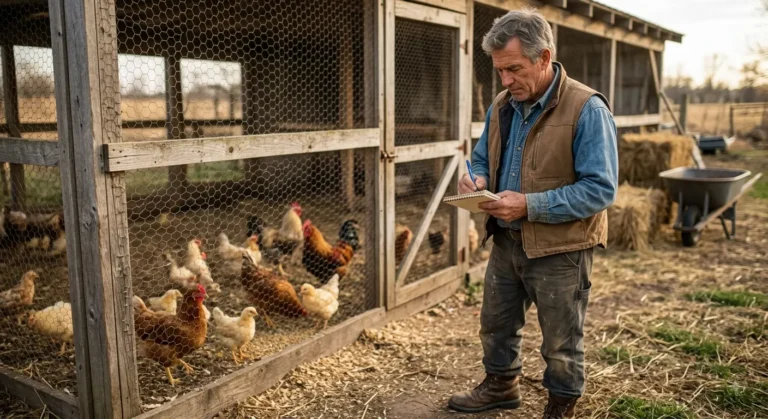
Log what you buy, batch numbers, expiry dates, and when products are used. Good records help veterinarians advise you and support withdrawal periods where applicable for food-producing animals.
Common mistakes to avoid
- Using human medicines on livestock without veterinary direction.
- Sharing syringes between animals without proper hygiene.
- Guessing dosages from social media advice.
- Keeping expired products “for emergencies.”
- Treating every symptom with antibiotics instead of identifying the cause.
When to call a veterinarian
Contact a qualified veterinarian when animals show persistent illness, sudden mortality, difficulty breathing, severe diarrhoea, lameness, or when vaccines and treatments require professional administration. Early advice often costs less than late intervention.
Visit our products page for current medicine listings or contact Jenfrank Farms in Owerri to ask about availability.
Comments
0 commentsBe the first to leave a comment on this article.