Introduction
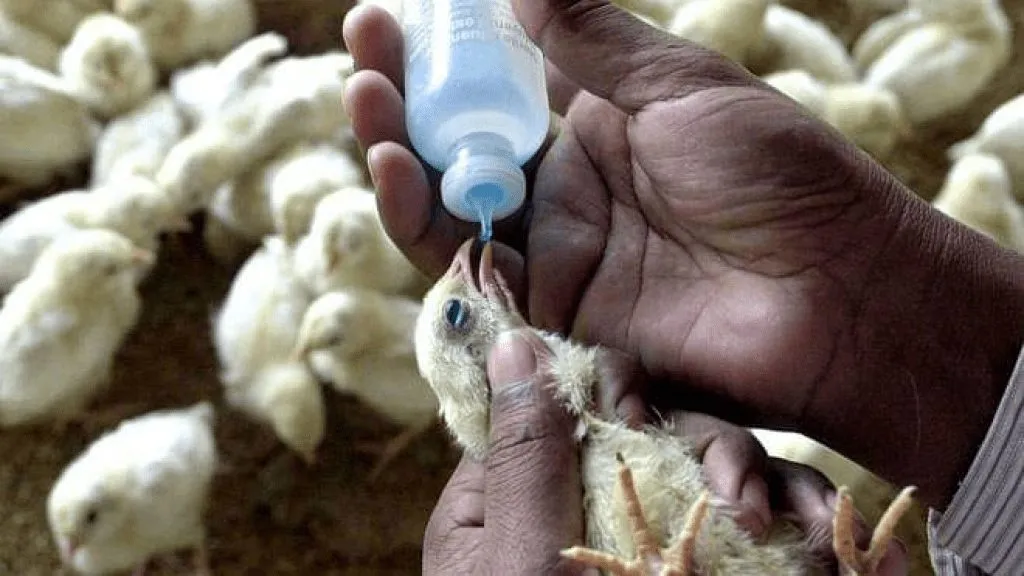
Keeping chickens healthy is one of the most important responsibilities of a poultry farmer.
A healthy flock generally has a better opportunity to grow properly, maintain good production, use feed efficiently, and perform consistently.
However, poultry health is not about waiting until birds become sick before taking action.
Good management starts with prevention.
Clean housing, appropriate nutrition, good ventilation, clean water, biosecurity, careful observation, and proper records all play an important role in maintaining a healthy flock.
1. Start With Quality Chicks
The health of a flock begins before the chicks arrive at the farm.
Source chicks from reliable hatcheries or suppliers and obtain relevant information about their breed or strain, hatch date, vaccination history, and other available records.
When chicks arrive, observe their general condition and behaviour.
Do not ignore unusual weakness or high mortality.
2. Prepare the Poultry House Properly
The poultry house should be cleaned and prepared before new birds arrive.
Feeders, drinkers, floors, equipment, and other relevant areas should be properly cleaned.
The house should also provide suitable protection from harsh weather, predators, and unnecessary exposure to contamination.
3. Provide Clean Drinking Water
Water is essential for poultry.
Birds should have regular access to clean drinking water.
Drinkers should be checked frequently and cleaned appropriately.
Dirty or contaminated drinking equipment can create unnecessary health and management problems.
4. Give Birds Appropriate Feed
Birds need appropriate nutrition for their age and production stage.
Use feed formulated for the particular type of bird and follow the feeding recommendations provided by the manufacturer or an appropriate professional.
Avoid making unnecessary changes to a feeding program.
If you notice unusual changes in feed consumption or bird performance, investigate the cause.
5. Maintain Good Ventilation
Good ventilation helps maintain a more suitable environment inside the poultry house.
Poor ventilation can contribute to excessive moisture, unpleasant air quality, and other management challenges.
At the same time, ventilation should be managed without exposing young birds to unsuitable environmental conditions.
The goal is to maintain an appropriate balance between air movement and bird comfort.
6. Keep the Litter Dry
Wet litter can create several problems inside a poultry house.
Check the litter regularly and investigate sources of excessive moisture.
Possible causes may include leaking drinkers, poor ventilation, excessive stocking density, or drainage problems.
Good litter management contributes to a cleaner and more manageable poultry environment.
7. Practise Good Biosecurity
Biosecurity is about reducing the introduction and spread of disease-causing organisms on the farm.
Practical measures may include:
Limiting unnecessary visitors
Controlling movement between poultry houses
Cleaning footwear and equipment where appropriate
Separating sick or newly introduced birds when advised
Keeping the farm environment clean
Avoiding unnecessary contact with other poultry flocks
Farmers should establish a biosecurity routine that fits their production system.
8. Observe Your Birds Every Day
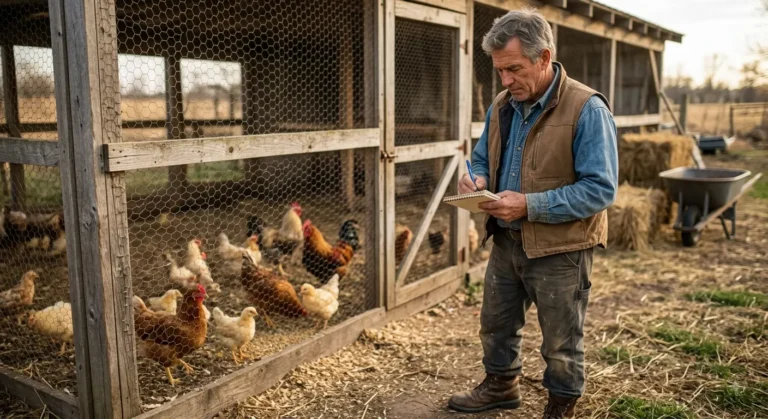
One of the simplest but most valuable management practices is observation.
Spend time watching the flock.
Look for changes in:
Feeding behaviour
Drinking behaviour
Activity
Movement
Appearance
Droppings
Growth
Mortality
A farmer who knows the normal behaviour of their birds may notice unusual changes more quickly.
9. Keep Accurate Farm Records
Good records can help identify problems before they become difficult to manage.
Record information such as:
Number of birds
Feed consumption
Water consumption where practical
Mortality
Vaccination and treatment records
Growth or production
Feed purchases
Expenses
Sales
Records also help the farmer evaluate the financial performance of each production cycle.
10. Seek Professional Help When Necessary
Farmers should not attempt to diagnose every poultry health problem themselves.
If birds show unusual illness, significant mortality, poor growth, respiratory problems, reduced production, or other concerning signs, seek assistance from a qualified veterinarian or poultry health professional.
Avoid relying solely on unverified treatments shared online.
Avoid Unnecessary Stress
Birds can be affected by environmental and management stress.
Unnecessary handling, excessive noise, poor ventilation, overcrowding, sudden management changes, and unsuitable environmental conditions can create additional challenges.
Handle birds carefully and maintain a consistent management routine.
Clean Equipment Regularly
Feeders, drinkers, crates, tools, and other equipment should be maintained properly.
Dirty equipment can contribute to contamination and poor farm hygiene.
Cleaning should form part of the normal farm routine rather than something done only when there is an obvious problem.
Watch for Unusual Mortality
Some mortality can occur in poultry production, but unexpected increases should never simply be ignored.
Record deaths and investigate unusual patterns.
If mortality increases suddenly or birds show serious symptoms, seek professional assistance promptly.
Healthy Birds Start With Good Management
There is no single practice that guarantees a healthy flock.
Instead, poultry health is supported by many small management decisions made consistently.
Quality chicks, appropriate feed, clean water, good ventilation, proper hygiene, biosecurity, observation, and professional support all work together.
Final Thoughts
Successful poultry farming is not simply about buying chicks and providing feed.
It requires daily attention to the environment in which the birds live.
Farmers who establish good management routines from the beginning are better positioned to identify problems early and maintain a more productive flock.
At JENFRANK FARMS, we believe that good farming starts with knowledge, consistency, and responsible management.
Keep learning, keep records, observe your birds, and improve your farm one production cycle at a time.
Disclaimer
This article is provided for general educational purposes and should not replace professional veterinary, animal nutrition, or agricultural advice. Poultry management requirements can vary according to bird type, age, production system, climate, and other factors. Consult a qualified poultry professional or veterinarian when dealing with significant health concerns.
Comments
0 commentsBe the first to leave a comment on this article.