Introduction
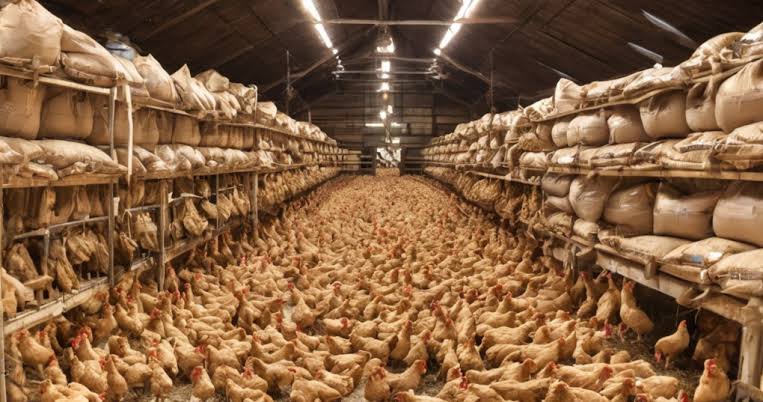
Feed is one of the biggest expenses on a poultry farm, which means losing feed to moisture, pests, contamination, or poor storage can quickly affect farm profitability.
Buying quality feed is only part of the job. How that feed is stored also matters.
Poor storage conditions can reduce feed quality and create unnecessary waste.
Here are practical ways poultry farmers can protect their feed.
Why Proper Feed Storage Matters
Poultry feed can be affected by moisture, heat, pests, contamination, and prolonged poor storage conditions.
Poor storage can result in:
Wasted feed
Pest infestation
Mould growth
Contamination
Financial losses
Poor farm hygiene
Good storage helps protect the investment you have already made in your feed.
Keep the Storage Area Dry
Moisture is one of the biggest enemies of stored feed.
The storage area should be protected from rain, leaking roofs, flooding, and damp floors.
Check the room regularly, especially during periods of heavy rainfall.
Keep Feed Away From the Floor
Where possible, keep feed bags raised above the floor using suitable pallets or another appropriate platform.
This can reduce exposure to moisture and make it easier to clean underneath the stored feed.
Protect Feed From Rodents
Rats and mice can consume feed and contaminate it.
Inspect the storage area regularly for signs of rodents.
Keep doors properly closed and address openings that could allow pests to enter.
Control Insects
Insects can also become a problem in poorly managed feed stores.
Keep the storage area clean and avoid allowing old feed or spilled materials to accumulate.
If pest control is necessary, use methods appropriate for a poultry feed storage environment and follow product safety instructions.
Do Not Store Feed Beside Chemicals
Feed should be kept away from pesticides, disinfectants, fuel, cleaning chemicals, and other substances that could contaminate it.
A feed store should be treated as a dedicated food-related storage area.
Keep the Store Clean
Regularly clean the storage area.
Remove spilled feed promptly and inspect corners, walls, shelves, and the floor for signs of pests or moisture.
A clean store is easier to monitor and manage.
Avoid Overstocking
Buying feed in large quantities may appear convenient, but excessive storage can increase the amount of time feed remains in the store.
Plan purchases according to your flock size, consumption, available storage space, and supplier arrangements.
Check Feed Bags Before Accepting Delivery
When purchasing feed, inspect the bags before accepting delivery.
Look for:
Damaged bags
Wet packaging
Unusual odours
Signs of insects
Visible contamination
Other obvious problems
If something looks wrong, raise the issue with the supplier before storing the feed.
Rotate Your Feed Stock
Do not allow older bags to remain forgotten at the back of the store.
Organize the feed so that older stock is used appropriately before newer stock, while also following manufacturer guidance regarding storage and shelf life.
Monitor the Feed Regularly
Do not simply store feed and forget about it.
Inspect it regularly.
Look for changes in:
Appearance
Smell
Texture
Packaging condition
Signs of moisture
Signs of insects or rodents
If feed appears spoiled or contaminated, seek appropriate professional guidance before deciding whether it is safe to use.
Feed Storage and Farm Profitability
Farmers sometimes focus heavily on the price of feed while overlooking how much is lost through poor management.
Imagine purchasing several bags of feed and then losing part of them to rats, moisture, spillage, or contamination.
That is money leaving the farm without producing anything.
Good storage is therefore part of good financial management.
Final Thoughts
Poultry feed should be treated as an important farm investment.
Keep it dry.
Protect it from pests.
Keep the storage area clean.
Avoid contamination.
Inspect feed regularly.
Good storage practices can reduce unnecessary waste and help farmers get more value from every bag of feed they purchase.
At JENFRANK FARMS, we believe that successful farming is built not only on production, but also on careful management of every resource on the farm.
Disclaimer
This article is provided for general educational purposes and does not replace professional animal nutrition, veterinary, or agricultural advice. Feed storage requirements can vary depending on the type of feed, manufacturer recommendations, environmental conditions, and farm system.
Comments
0 commentsBe the first to leave a comment on this article.