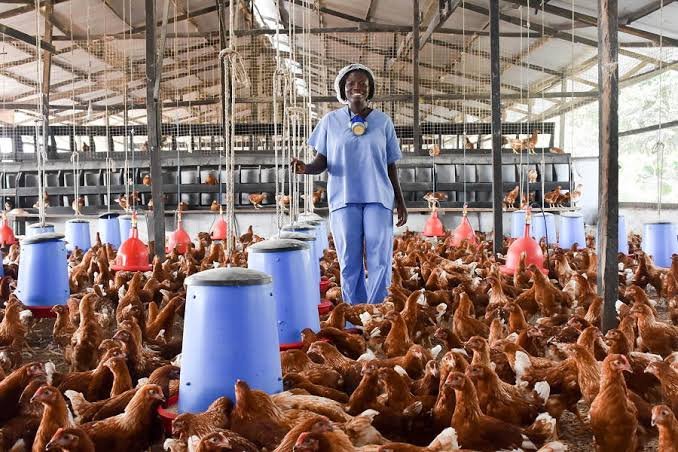
Starting a small poultry farm in Nigeria is one of the most accessible ways to enter livestock agriculture — but success depends on preparation, not luck. This guide focuses on how to set up and run a small flock as a beginner. It is not a duplicate cost breakdown; for detailed startup budgeting see our companion article How Much Does It Cost to Start Poultry Farming in Nigeria?.
What Counts as a Small Poultry Farm?
In Nigeria, many beginners start with 50 to 500 birds in a backyard, rented plot, or small commercial unit. A “small farm” usually means:
- You manage daily feeding and watering yourself or with one helper.
- Housing fits on a modest plot rather than a large integrated facility.
- Production targets are local — household eggs, nearby market broilers, or small wholesale batches.
- Capital is limited, so mistakes in planning hurt quickly.
Whether you choose broilers or layers changes housing, feed, and marketing. If you are still deciding, read Broiler vs Layer Farming: Which Is Better for Beginners in Nigeria?.
Choosing Your Starting Flock Size
Start with a flock you can manage well rather than the largest number you can afford.
- 50–100 birds — good for first-time owners learning brooding, feeding routines, and mortality tracking.
- 200–300 birds — workable once basic skills are in place and housing is reliable.
- 500 birds — requires tighter biosecurity, steady feed supply, and more consistent labour.
Scale up only after one production cycle finishes with acceptable survival rates and clear records.
Choosing a Suitable Location
Site selection affects disease pressure, feed logistics, and neighbour relations.
- Prefer well-drained ground — avoid flood-prone low areas.
- Ensure vehicle access for feed delivery and bird collection.
- Keep adequate distance from open drains and dense human traffic where possible.
- Confirm local regulations or community norms for livestock keeping.
- Plan for water access and optional electricity for lighting or ventilation.
Basic Poultry Housing Requirements
Good housing protects birds from rain, heat, predators, and overcrowding stress.
- Broilers — floor space, ventilation, and litter management matter most.
- Layers — may use deep litter or cage systems depending on budget and experience.
- Roofs should reduce direct sun and rain; sides should allow airflow without drafts on chicks.
- Separate sick or newly arrived birds when possible.
- Clean and disinfect before each new batch — see How to Prepare Your Poultry Farm Before New Chicks Arrive.
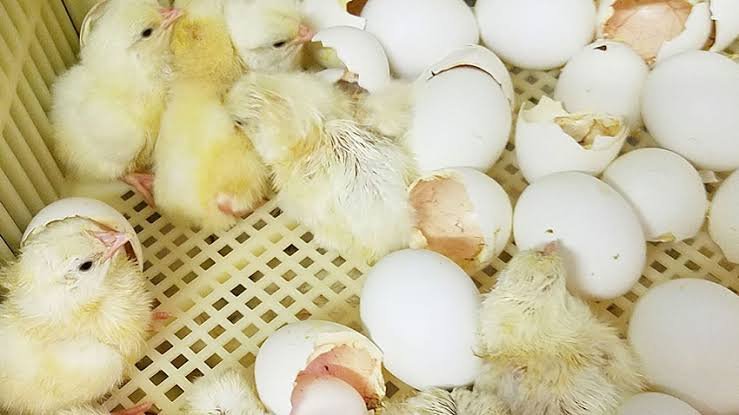
Buying Healthy Day-Old Chicks
Chick quality sets the tone for the entire cycle.
- Buy from reputable hatcheries or suppliers with healthy stock history.
- Check alertness, clean navels, and uniform size where possible.
- Transport chicks quickly in ventilated boxes; avoid long delays in heat.
- Match chick type to your plan — broiler chicks for meat, pullets for eggs.
For a detailed checklist, read How to Choose Healthy Chicks for Poultry Farming.
Feed Requirements for Beginners
Feed is the largest ongoing input. Beginners often fail by mixing stages or storing feed poorly.
- Use starter feed for young chicks, then transition to grower or finisher/layer rations at the right age.
- Buy only what you can use before spoilage; store off the ground in dry conditions.
- Provide feeders that reduce spillage and keep water clean.
Stage-by-stage nutrition is covered in Poultry Feed Guide: What Chickens Need at Different Stages of Growth and How to Store Poultry Feed Properly and Prevent Feed Spoilage.
Essential Poultry Equipment
A minimal starter kit often includes:
- Brooder heat source (brooder lamp or alternative heat for small batches).
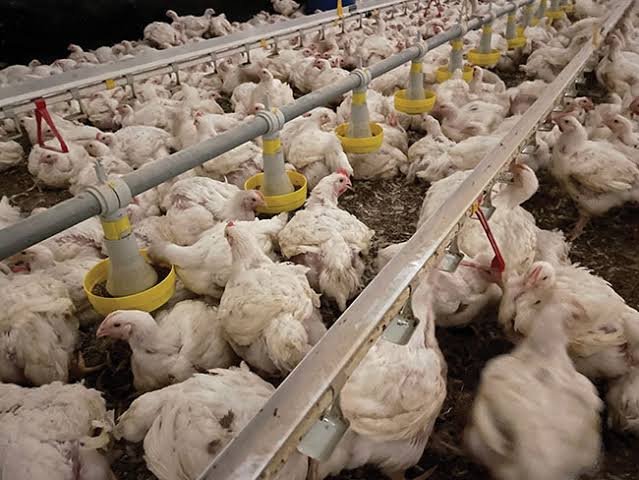
- Feeders and drinkers sized for flock age.
- Litter material (wood shavings or suitable local bedding).
- Cleaning tools, buckets, and record notebook or phone spreadsheet.
- Basic PPE — boots and hand-wash station for biosecurity.
Buy equipment that matches your flock size. Overcrowded feeders cause uneven growth and fighting.
Vaccination and Basic Health Management
General education only — follow a veterinarian-approved health plan for your area.
- Work with a qualified veterinarian to design a vaccination schedule for your flock type and region.
- Watch daily for lethargy, breathing difficulty, diarrhoea, or sudden deaths.
- Isolate sick birds quickly and avoid treating without professional advice.
- Keep footbaths or change boots between outside areas and the poultry house.
Daily management habits are expanded in How to Keep Chickens Healthy: 10 Practical Poultry Farm Management Tips.
Water and Electricity
Clean water must be available at all times. Poor water quality reduces feed conversion and increases disease risk.
- Wash drinkers regularly and position them away from litter contamination.
- In hot weather, check water more frequently — dehydration kills chicks quickly.
- Electricity supports lighting programmes for layers and ventilation fans where used; plan backup options if power is unreliable.
Labour Requirements
Small flocks need daily attention, not occasional checking.
- Morning and evening feeding, water checks, and mortality counts.
- Weekly cleaning intensity increases with flock size and litter system.
- One experienced person can often manage up to a few hundred birds part-time if systems are simple.
- Hire help for vaccination days, deep cleaning, or large harvests.
Example Starter Budgets for 50, 100, 200 and 500 Birds
The figures below are illustrative planning examples, not verified current market prices. Local hatchery, feed, and housing costs change by season and location. Use our detailed cost guide for category-by-category budgeting: How Much Does It Cost to Start Poultry Farming in Nigeria?.
| Flock size | Illustrative planning focus |
|---|---|
| 50 birds | Lowest capital entry; ideal for learning brooding and daily routines. Housing can be simple but must stay dry and ventilated. |
| 100 birds | Still manageable for a beginner with one helper; feed purchases become more economical per bird. |
| 200 birds | Requires disciplined records and reliable feed supplier; mortality losses have bigger financial impact. |
| 500 birds | Treat as a small commercial unit — plan labour, biosecurity, and marketing before placement. |
Most Nigerian beginners underestimate feed cost share (often the largest ongoing expense) and overestimate early profit. Build a simple cash-flow table before buying chicks.
Common Beginner Mistakes
- Starting too large before learning brooding management.
- Mixing chick ages or reusing litter without proper cleaning.
- Skipping vaccination or veterinary guidance to save money.
- Buying the cheapest feed without checking quality or stage match.
- Selling birds without confirming local market timing and transport.
- No written records — making it impossible to know if the cycle was profitable.
How to Scale a Small Poultry Farm
Scale only when the previous batch proves you can manage mortality, feed conversion, and sales.
- Complete at least one full cycle with written records.
- Fix housing bottlenecks before doubling flock size.
- Secure a reliable feed supplier and optional backup source.
- Build repeat customers or offtake agreements before expanding.
- Reinvest profits into infrastructure rather than simultaneous flock and capacity jumps.
For long-term business planning, see also The Complete Guide to Starting Poultry Farming in Nigeria.
Conclusion
A small poultry farm in Nigeria can grow into a stable income source when you treat it as a managed operation — not a side gamble. Choose a realistic flock size, prepare housing, source healthy chicks, match feed to growth stage, and work with a veterinarian on health planning. Use the cost guide for budgeting and this guide for day-one implementation.
Need feeds, medicines, or local advice in Owerri? Browse our products or contact Jenfrank Farms.
Frequently Asked Questions
How many birds should a first-time farmer start with?
Many successful beginners start with 50–100 birds to learn brooding and daily management before expanding.
Do I need a large plot of land?
Not necessarily. Small broiler or layer units can run on modest plots if housing is well ventilated, drainable, and secure.
Broilers or layers — which is easier for beginners?
It depends on your market and patience for payback. Broilers have shorter cycles; layers require longer investment before egg income stabilises. Compare both in our broiler vs layer guide.
Can I run a poultry farm without electricity?
Yes for very small units, but plan alternative brooding heat and water access. Layers and larger houses benefit from lighting and ventilation where power is available.
Where can I get a detailed cost breakdown?
See How Much Does It Cost to Start Poultry Farming in Nigeria? for a broad cost-focused planning article aimed at general startup budgeting.

Comments
0 commentsBe the first to leave a comment on this article.