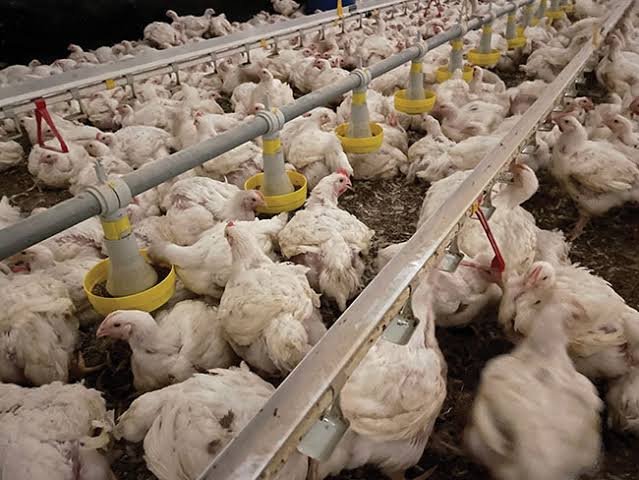
Feed is one of the most important recurring expenses on a poultry farm. When feed is wasted, the farmer pays for feed that never contributes to the growth or production of the birds.
The good news is that some forms of feed waste can be reduced through better management.
The exact feeding requirements of birds depend on factors such as age, breed, production stage, health and the type of feed being used. Farmers should therefore follow appropriate feeding guidance rather than trying to reduce feed consumption simply to lower costs.
## Understand Where Feed Is Being Wasted
Before trying to reduce waste, identify where it is happening.
Common sources can include:
* Feed spilling from feeders
* Birds scratching feed onto the floor
* Damaged or poorly positioned feeders
* Wet or spoiled feed
* Rodents and other pests
* Poor feed storage
* Overfilling feeders
* Inconsistent feeding practices
A farmer who understands the source of the waste can address the actual problem instead of simply giving birds less feed.
## Keep Feeders Properly Positioned
The position and condition of feeders can affect how much feed is wasted.
Feeders should be placed where birds can access them comfortably while reducing unnecessary spillage.
Farmers should regularly inspect feeders for:
* Cracks
* Damage
* Unstable positioning
* Excessive feed loss
* Difficulty of access for the birds
A simple equipment problem can create repeated losses over time.
## Avoid Overfilling Feeders
Filling feeders completely may seem convenient, but excess feed can be spilled or contaminated.
Instead, farmers should use feeding practices appropriate for the age and type of birds being kept.
The goal is to provide adequate feed while reducing unnecessary accumulation and spillage.
## Keep Feed Dry
Moisture can damage stored feed and create conditions that reduce its quality.
Feed should be stored in a clean, dry and suitable environment.
Farmers should protect feed from:
* Rain
* Damp floors
* Leaking roofs
* Water spills
* Rodents
* Insects
* Other sources of contamination
Storage areas should also be kept clean and inspected regularly.
## Monitor Feed Consumption
Keeping records can reveal changes that may otherwise go unnoticed.
A farmer can record:
* Quantity of feed supplied
* Date of feeding
* Number of birds
* Feed remaining
* Major losses or spills
* Unusual changes in consumption
Records do not need to be complicated. Even a simple farm notebook or spreadsheet can provide useful information.
## Separate Feed Storage From Unnecessary Traffic
A feed store should be organized so that bags and containers are protected from avoidable damage.
Keeping feed off damp floors and away from areas where water can enter can help protect its quality.
Farm workers should also know where feed is stored and how it should be handled.
## Watch for Rodents and Pests
Feed loss is not always caused by the birds.
Rodents and other pests can consume or contaminate stored feed.
Farmers should regularly inspect storage areas for signs of pest activity and maintain appropriate hygiene and pest-control practices.
Where chemical pest-control products are considered, farmers should follow the product label and appropriate safety guidance.
## Don't Reduce Feed Just to Reduce Cost
This is an important distinction.
Reducing waste is not the same thing as reducing the amount of feed birds need.
Birds require appropriate nutrition for their age, production stage and purpose. Cutting feed below appropriate levels can create problems rather than solving them.
The objective should be to make better use of the feed purchased, not to deprive birds of necessary nutrition.
## Review Feed Costs Regularly
Farmers should know how much they are spending on feed and how that cost relates to production.
Depending on the type of poultry operation, useful records may include:
* Feed purchased
* Feed consumed
* Number of birds
* Mortality
* Growth or production records
* Egg production where applicable
* Other major farm expenses
These records can help farmers identify changes in operating costs and make better management decisions.
## Train Everyone Handling Feed
On a small farm, several people may handle feeding and storage.
Everyone involved should understand the farm's feeding routine.
Simple instructions can cover:
* Where feed is stored
* How feeders are filled
* How spills are handled
* How damaged feed is identified
* How consumption is recorded
* How storage areas are kept clean
Consistency matters because repeated small losses can become significant over time.
## Final Thoughts
Feed management is not simply about buying cheaper feed.
It is about protecting the feed you purchase, reducing unnecessary waste, maintaining appropriate feeding practices and keeping records that help you understand what is happening on the farm.
For small poultry farmers, these basic management habits can make it easier to identify avoidable costs while maintaining appropriate care for the birds.
At Jenfrank Farms, practical farm management begins with understanding the details. Good records, responsible feeding and careful handling can all contribute to a better-run poultry operation.
Comments
0 commentsBe the first to leave a comment on this article.