Introduction
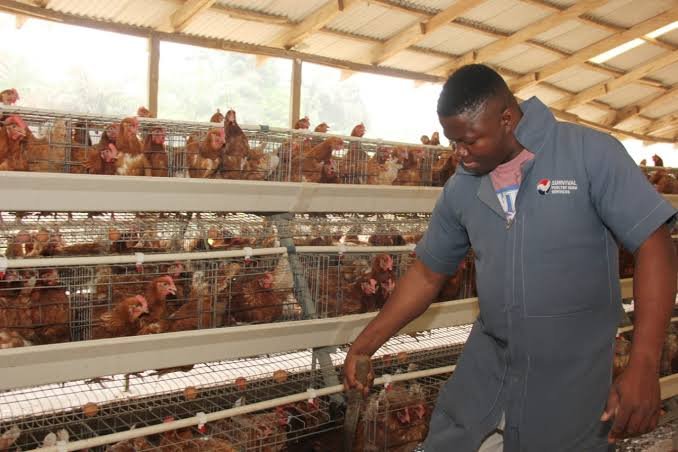
Poultry farming is one of the most popular areas of livestock production in Nigeria. From small family farms to large commercial operations, poultry businesses provide meat, eggs, employment, and opportunities for agricultural entrepreneurs.
However, starting a poultry farm is more than buying chickens and providing them with feed. A successful poultry business requires proper planning, suitable housing, reliable water, quality feed, disease prevention, good record keeping, and a clear understanding of the market.
If you are considering starting poultry farming in Nigeria, this guide will walk you through the major things you need to understand before starting.
Choose the Type of Poultry Farming You Want to Start
The first decision is to determine what type of poultry production you want to operate. The two most common commercial options are broiler farming and layer farming.
Broiler Farming
Broilers are chickens raised primarily for meat. They are bred for relatively rapid growth and are usually sold when they reach the appropriate market weight.
Broiler farming can appeal to farmers who want shorter production cycles and regular opportunities to sell birds and reinvest in another production cycle.
Layer Farming
Layers are chickens raised primarily for egg production. Unlike broilers, layers require a longer period of management before they begin producing eggs.
The business model is therefore different. Instead of primarily planning around the sale of mature birds, the farmer must plan for ongoing egg production, feed requirements, flock health, egg collection, storage, and marketing.
Prepare a Poultry Farming Business Plan
Before purchasing your first batch of chicks, prepare a simple business plan.
Your plan should estimate the major expenses involved in establishing and operating the farm.
- Cost of chicks
- Poultry house construction or preparation
- Feed
- Feeders and drinkers
- Water supply
- Vaccination and veterinary care
- Labour
- Electricity
- Transportation
- Bedding materials
- Cleaning and disinfection
- Mortality allowance
- Marketing expenses
- Emergency funds
Do not calculate your expected profit using only the price of chicks and the expected selling price. Poultry production involves several operating expenses, and feed can represent a particularly large portion of total production costs.
Start at a Manageable Scale
New poultry farmers do not necessarily need to begin with thousands of birds.
Starting with a manageable flock can allow you to gain practical experience in feeding, brooding, cleaning, disease prevention, record keeping, marketing, and general flock management.
The right starting number depends on your available capital, housing, experience, labour, water supply, market, and ability to manage the birds properly.
More birds do not automatically mean more profit. Poor management at a large scale can increase losses quickly.
Choose a Suitable Location
The location of a poultry farm can affect both daily operations and long-term costs.
Before selecting a site, consider:
- Road accessibility
- Reliable water supply
- Electricity availability
- Drainage
- Security
- Ventilation
- Availability of labour
- Distance from feed suppliers
- Access to veterinary services
- Distance to your target market
- Waste management
A poultry farm should also be managed in a way that reduces unnecessary movement of people and potential sources of contamination.
Build and Prepare the Poultry House
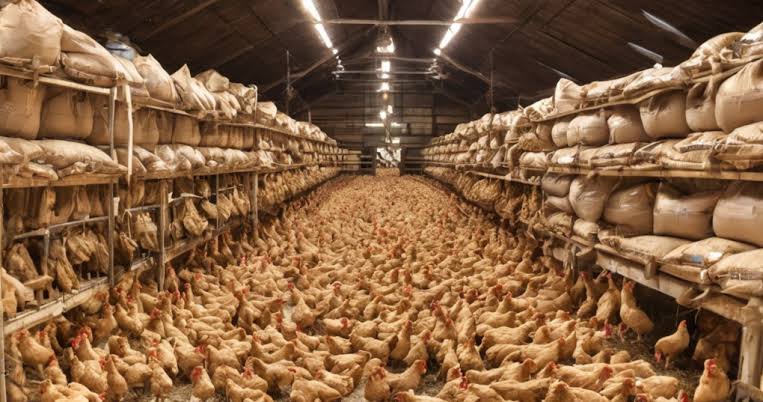
The poultry house should protect the birds from harsh weather, predators, and unnecessary environmental stress while providing sufficient ventilation and allowing the farmer to manage the flock effectively.
Depending on the production system, farmers may use deep-litter housing, cages, or other appropriate systems.
Whatever system you choose, the house should provide suitable space, ventilation, lighting, feeding access, drinking access, and effective drainage.
Do not wait until the chicks arrive before preparing the poultry house.
The building should be cleaned and disinfected, litter should be prepared where required, feeders and drinkers should be installed, and the necessary brooding equipment should be ready before the birds arrive.
Understand Brooding
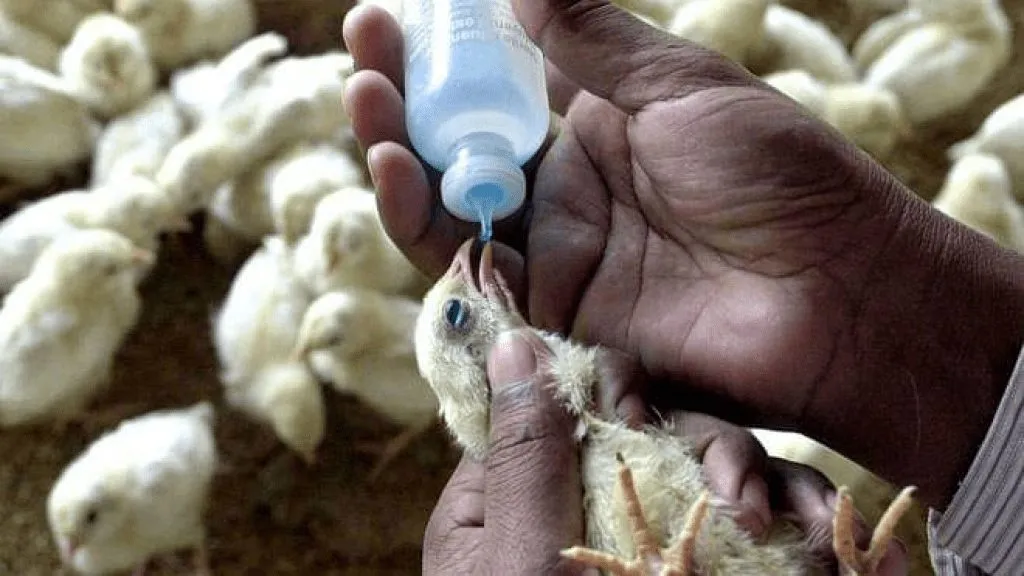
Brooding is the management of young chicks during their early stage of life. This is one of the most important periods in poultry production because young chicks are particularly sensitive to temperature, poor nutrition, dehydration, overcrowding, and disease.
Proper brooding involves managing heat, ventilation, lighting, feed, water, hygiene, and disease prevention.
Farmers should closely observe chick behaviour. Chicks that crowd together may indicate that they are experiencing cold conditions, while excessive spreading, panting, or unusual behaviour may indicate that environmental conditions need attention.
Temperature requirements also change as chicks grow, so farmers should manage the brooding environment according to the age and condition of the birds.
Provide Clean Water
Water is essential for poultry growth, health, and production.
Birds should have reliable access to clean and suitable drinking water. Drinkers should be cleaned regularly and positioned in a way that reduces contamination.
Farmers should also monitor water availability throughout the day, especially during hot weather.
If you are uncertain about the quality of your water source, consider having it tested and seek appropriate agricultural or veterinary advice.
Understand Poultry Feed
Feed is one of the most important inputs in poultry farming and can account for a significant portion of the cost of production.
The nutritional requirements of poultry change according to the type and age of the bird.
Broilers commonly move through different feeding stages such as starter, grower, and finisher. Layers also require feeds appropriate for their particular stage of development and egg production.
Using the appropriate feed for the production stage can help farmers manage flock performance and avoid unnecessary nutritional problems.
Do Not Focus Only on Cheap Feed
Reducing feed costs is important, but buying the cheapest feed available is not always the best strategy.
Poor-quality feed can result in poor growth, inefficient feed utilization, lower production, and other management problems.
The goal should be to obtain appropriate nutritional value while managing feed wastage and storage properly.
Feed should be stored in a clean, dry environment protected from moisture, rodents, insects, and contamination.
Make Biosecurity Part of Your Routine
Biosecurity refers to the measures used to reduce the introduction and spread of diseases within a poultry farm.
A good poultry farm should have practical biosecurity procedures in place every day.
- Control unnecessary visitors
- Keep poultry houses clean
- Clean and disinfect equipment
- Maintain clean drinking water systems
- Control rodents and pests
- Dispose of dead birds properly
- Separate sick birds where appropriate
- Clean and disinfect houses between production cycles
- Source birds from reliable suppliers
- Maintain appropriate hygiene for workers and visitors
Biosecurity should not become a priority only when there is an outbreak. It should be part of normal farm management.
Have a Veterinary and Vaccination Plan
Disease prevention is an important part of poultry management.
Vaccination programs can vary depending on the type of poultry, location, production system, disease risks, and other circumstances.
Instead of copying another farmer's vaccination or medication program, work with a qualified veterinarian or animal health professional to establish a suitable health plan for your flock.
If you notice unusual mortality, respiratory problems, poor appetite, sudden production changes, abnormal behaviour, or other concerning symptoms, seek professional veterinary assistance.
Use Medication Responsibly
Medication should not replace good hygiene, nutrition, housing, vaccination, and biosecurity.
Farmers should avoid routinely giving medicines without appropriate professional guidance. Responsible use of veterinary medicines is important for animal health and for reducing the risks associated with antimicrobial resistance.
Keep Proper Farm Records
Good record keeping can make a major difference in poultry farming.
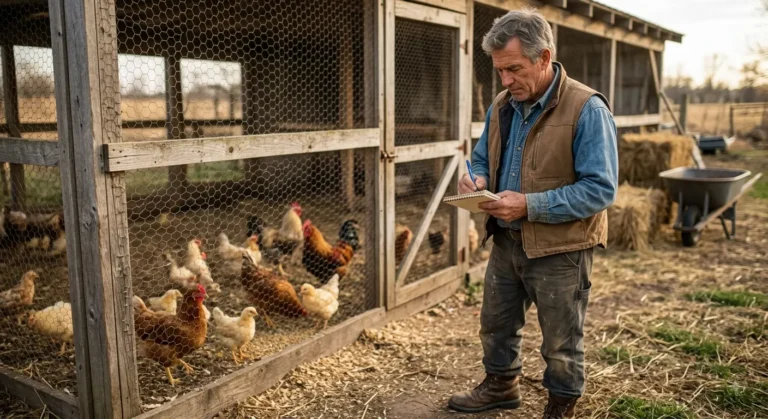
Farmers should know how many birds they started with, how many remain, how much feed has been used, what expenses have been incurred, and how much revenue has been generated.
Useful records include:
- Number of chicks purchased
- Date of arrival
- Daily or periodic mortality
- Feed purchased
- Feed consumed
- Vaccinations
- Veterinary treatments
- Labour expenses
- Electricity and water expenses
- Bird weights
- Egg production where applicable
- Sales revenue
- Other operating expenses
Without reliable records, it can be difficult to determine whether a poultry farm is actually profitable.
Monitor Mortality
Bird mortality should be recorded and monitored throughout the production cycle.
If mortality suddenly increases, investigate the situation promptly instead of assuming that the losses are normal.
Record the number of birds affected, the age of the flock, symptoms observed, and actions taken. When necessary, seek professional veterinary assistance.
Monitor Feed Consumption
Farmers should monitor how much feed their flock consumes.
Changes in feed consumption can sometimes provide useful information about flock health, environmental conditions, feed availability, or management problems.
For broiler farmers, feed conversion is also an important performance measure because it helps show how efficiently birds convert feed into body weight.
Buy Chicks From Reliable Sources
The quality and health status of chicks can have a significant effect on the outcome of a production cycle.
When purchasing chicks, consider their source, breed or strain, age, health status, vaccination information, and the reputation of the supplier.
Do not choose chicks simply because they are cheaper.
Plan Your Market Before Producing
One of the biggest mistakes a new poultry farmer can make is producing birds without thinking about how they will be sold.
Potential customers may include households, restaurants, hotels, caterers, supermarkets, meat sellers, wholesalers, egg distributors, and other businesses.
Before starting a production cycle, research your potential customers and understand the prices they are willing to pay.
Knowing your market can help you make better decisions about production scale and timing.
Understand Your Total Production Cost
To determine whether your poultry farm is profitable, you need to understand the total cost of production.
This may include:
- Chicks
- Feed
- Housing
- Labour
- Vaccination
- Veterinary services
- Electricity
- Water
- Litter materials
- Transportation
- Equipment
- Repairs
- Mortality
- Cleaning and disinfection
- Marketing
Once these costs are understood, you can compare them with your expected revenue and make more realistic business decisions.
Avoid Overcrowding
Keeping too many birds in a limited space can make flock management more difficult.
Overcrowding can affect ventilation, access to feed and water, litter quality, stress levels, and disease management.
Stocking density should be appropriate for the type of bird, housing system, climate, and management conditions.
Manage Poultry Litter Properly
For farmers using deep-litter systems, litter management is essential.
Wet or heavily contaminated litter can create poor environmental conditions and contribute to unpleasant ammonia levels.
Keep litter as dry and clean as practical, remove excessively wet sections, and maintain good ventilation.
Common Mistakes New Poultry Farmers Make
Many poultry businesses experience avoidable problems because of poor preparation.
Common mistakes include:
- Starting without a realistic budget
- Buying too many birds without sufficient capital
- Poor preparation of the poultry house
- Ignoring biosecurity
- Using inappropriate feed
- Overusing medication
- Failing to keep farm records
- Buying chicks from unreliable sources
- Ignoring water quality
- Overcrowding birds
- Poor ventilation
- Having no emergency fund
- Producing without a clear market
- Assuming poultry farming automatically guarantees profit
Is Poultry Farming Profitable in Nigeria?
Poultry farming can be profitable in Nigeria, but profitability is not automatic.
The outcome depends on factors such as feed costs, chick prices, mortality, bird performance, labour, electricity, market prices, disease prevention, farm efficiency, and management.
A farmer who controls costs, maintains healthy birds, keeps accurate records, and develops reliable markets is in a stronger position than a farmer who simply focuses on increasing the number of birds.
Before starting, calculate your expected production costs and compare them with realistic selling prices.
Build a Consistent Daily Farm Routine
Poultry farming requires consistency.
A daily farm routine may include checking the birds, water, feeders, ventilation, temperature, litter, mortality, and general flock behaviour.
Small changes can sometimes become serious problems if they are ignored, so regular observation is important.
Keep Learning
A successful poultry farmer never really stops learning.
Learn about poultry nutrition, disease prevention, biosecurity, housing, farm economics, marketing, record keeping, and flock management.
Speak with experienced farmers and seek advice from qualified agricultural and veterinary professionals when necessary.
Most importantly, pay attention to your own farm records. Your records can tell you what is working and where your money is being lost.
Final Thoughts
Starting poultry farming in Nigeria can provide an opportunity to build a productive agricultural business, but success requires planning and disciplined management.
Do not rush into buying birds before your housing, feed, water, health plan, market, and finances are ready.
Start at a scale you can manage, learn from each production cycle, control unnecessary costs, maintain good biosecurity, and keep accurate records.
At JENFRANK FARMS, we believe that better farming decisions start with better information. Our goal is to provide practical agricultural information that helps farmers, aspiring agribusiness owners, and livestock producers make more informed decisions.
Keep exploring the JENFRANK FARMS blog for more practical guides on poultry farming, livestock production, animal feeds, farm management, and agribusiness.
Disclaimer
This article is provided for general educational and informational purposes only. It is not a substitute for professional veterinary, agricultural, financial, or business advice. Poultry management requirements can vary depending on bird type, breed, location, climate, housing system, and production objectives. Farmers should consult qualified agricultural or veterinary professionals for advice specific to their farm and flock.
Comments
0 commentsBe the first to leave a comment on this article.