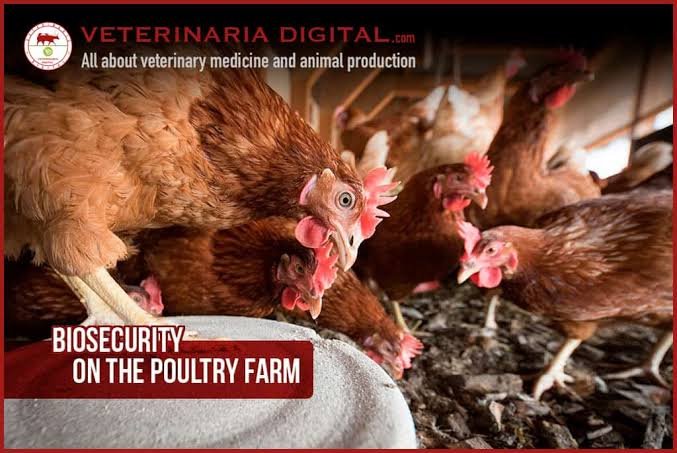
# 10 Poultry Farm Biosecurity Practices Every Nigerian Farmer Should Follow
Poultry farming can be profitable, but disease outbreaks can quickly turn a promising flock into a major financial loss. One of the most effective ways to protect chickens is through proper biosecurity.
Biosecurity means putting measures in place to prevent disease-causing organisms from entering your farm and spreading among your birds.
For Nigerian poultry farmers, good biosecurity should be part of everyday farm management—not something that is introduced only when birds begin showing signs of illness.
Here are 10 practical poultry farm biosecurity practices every farmer should follow.
## 1. Control Who Enters the Poultry House
Not everyone should have unrestricted access to your poultry house.
Visitors, traders, delivery personnel and other farmers can accidentally carry disease-causing organisms on their shoes, clothes or equipment.
Limit unnecessary visits and keep a record of people entering the farm when possible.
## 2. Use a Footbath at Farm Entrances
A properly maintained footbath can help reduce the risk of bringing contaminants into the poultry house.
Place one at the entrance and ensure that it contains an appropriate disinfectant solution at the correct concentration.
However, a footbath is only useful when it is maintained properly. Dirty or diluted disinfectant should be replaced regularly.
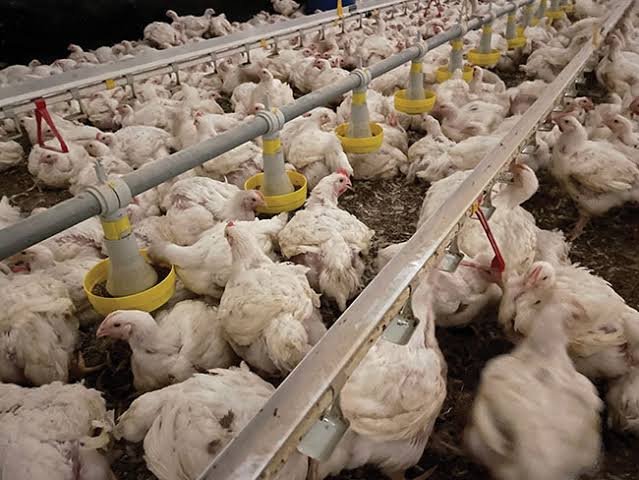
## 3. Keep Feeders and Drinkers Clean
Dirty feeding and drinking equipment can become a source of contamination.
Clean drinkers regularly and remove feed that has become wet, mouldy or contaminated.
Fresh, clean water should always be available to the birds.
## 4. Keep the Poultry House Dry and Well Ventilated
Poor ventilation and excessive moisture can create conditions that favour disease and respiratory problems.
Check the litter regularly. Wet areas around drinkers should be corrected quickly, and accumulated litter should be managed appropriately.
Good ventilation also helps control heat, moisture and ammonia inside the poultry house.
## 5. Keep Different Age Groups Separate
Mixing birds of different ages can increase disease risks because older birds may carry organisms that affect younger birds more severely.
Where possible, manage different batches separately and avoid unnecessary movement of birds, equipment and workers between houses.
An all-in, all-out approach can also help reduce disease carryover between production cycles.
## 6. Isolate Sick Birds Quickly
A bird that appears sick should not simply be left in the flock while you wait to see what happens.
Separate sick birds where appropriate and seek advice from a qualified veterinarian or animal-health professional.
Early investigation can help prevent a potential problem from spreading throughout the flock.
## 7. Dispose of Dead Birds Properly
Dead birds should be removed from the poultry house promptly.
Do not leave carcasses around the farm where they can attract rodents, insects or other animals.
Use an appropriate disposal method that protects the flock, farm workers and surrounding environment.
## 8. Control Rodents, Flies and Other Pests
Rats, mice, flies and other pests can contribute to contamination around a poultry farm.
Keep feed storage areas clean, repair openings where rodents can enter and avoid leaving spilled feed around the farm.
Good waste management is an important part of pest control.
## 9. Clean and Disinfect Equipment
Equipment should not automatically be moved from one poultry house to another without cleaning.
Feeders, drinkers, crates, boots and other equipment can potentially transfer contamination.
Establish a regular cleaning and disinfection routine and give particular attention to shared equipment.
## 10. Work With a Veterinary Professional on Disease Prevention
Biosecurity works best when it is combined with appropriate vaccination and veterinary guidance.
Vaccination programmes can vary depending on the type of birds, location, disease pressure and production system.
Do not copy another farm's vaccination programme blindly. Work with a qualified veterinarian or animal-health professional to establish a programme appropriate for your flock.
## A Simple Daily Biosecurity Checklist
Before leaving the farm each day, ask:
* Are the poultry houses clean and dry?
* Are drinkers clean?
* Is feed protected from contamination?
* Are there dead or visibly sick birds that need attention?
* Are visitors being properly controlled?
* Is the footbath clean and properly maintained?
* Are rodents or other pests becoming a problem?
* Is farm equipment being cleaned regularly?
Small actions performed consistently can make a significant difference.
## Final Thoughts
Disease prevention is usually cheaper than dealing with a major outbreak.
A successful poultry farm therefore needs more than good chicks and quality feed. Clean housing, controlled farm access, proper sanitation, pest control, vaccination and good daily management all work together to protect the flock.
If you are starting or expanding a poultry farm in Nigeria, make biosecurity part of your farm plan from the beginning.
**Disclaimer:** This article provides general educational information. Vaccination, medication and disease-control decisions should be made with guidance from a qualified veterinarian or animal-health professional.
Comments
0 commentsBe the first to leave a comment on this article.