# How to Reduce Poultry Feed Costs Without Hurting Bird Growth
Feed is one of the largest expenses in poultry production, which means unnecessary feed waste can quickly reduce a farmer's profit.
The goal, however, should not simply be to buy the cheapest feed available or reduce the amount of feed given to birds.
The better approach is to improve **feed efficiency**—getting the best possible growth and production from the feed you purchase.
Here are practical ways poultry farmers can control feed costs without compromising bird performance.
## 1. Reduce Feed Wastage
One of the easiest ways to lose money on a poultry farm is through unnecessary feed wastage.
Birds can scatter feed when feeders are overfilled, poorly positioned or incorrectly adjusted.
Check feeders regularly and make sure birds can eat comfortably without being able to scratch excessive amounts of feed onto the floor.
## 2. Store Feed Properly
Feed should be kept in a clean, dry and well-ventilated storage area.
Protect feed from rain, moisture, rodents and insects.
Poor storage can lead to contamination, spoilage and nutrient losses.
Keep bags away from damp floors and inspect stored feed regularly.
## 3. Buy Based on Your Production Plan
Buying feed without considering the number and age of birds can lead to unnecessary costs.
Before purchasing, estimate your flock's expected consumption and plan your purchases around the production cycle.
This can also help you identify unusual increases in feed consumption early.
## 4. Match Feed to the Birds' Growth Stage
Chicks, growers, broilers and layers have different nutritional requirements.
Using the appropriate feed for the birds' stage of production helps ensure that their nutritional needs are properly addressed.
Avoid switching feeds randomly simply because another product appears cheaper.
## 5. Provide Clean Drinking Water
Water is essential for poultry health and feed intake.
Dirty or inadequate water can affect bird performance.
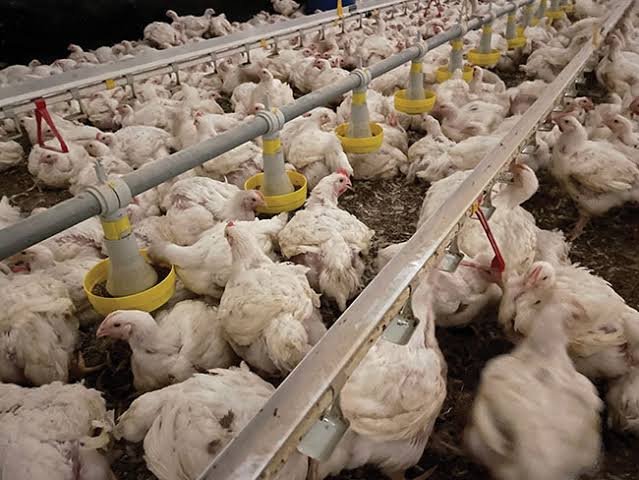
Clean drinkers regularly and make sure birds have reliable access to suitable drinking water.
## 6. Prevent Rodent Damage
Rodents can consume and contaminate stored poultry feed.
A farm may lose money twice when rodents are present: through direct feed consumption and through contamination.
Keep feed stores clean, close openings and remove spilled feed quickly.
## 7. Monitor Feed Consumption
Don't wait until the end of the production cycle to discover that your birds consumed far more feed than expected.
Keep simple records of feed purchases and consumption.
Unexpected changes can help you identify problems involving wastage, disease, water availability or environmental stress.
## 8. Keep Birds Comfortable
Environmental stress can affect poultry performance.
Poor ventilation, excessive heat, overcrowding and inadequate access to water can all affect how efficiently birds use feed.
Good housing management therefore plays an important role in feed efficiency.
## 9. Don't Sacrifice Quality for Price
The cheapest bag of feed is not necessarily the cheapest option in the long run.
Poor-quality or unsuitable feed can result in poor growth, reduced production and increased cost per bird.
When comparing feeds, consider performance, quality, consistency and the results you are getting from the birds—not only the price printed on the bag.
## 10. Keep Accurate Farm Records
Good records help farmers make better decisions.
Record:
* Number of birds
* Feed purchased
* Feed consumed
* Mortality
* Average body weight where applicable
* Egg production for layers
* Medication and vaccination activities
* Sales and production revenue
These records can help you determine whether your flock is performing efficiently.
## Calculate Cost Per Bird
Instead of looking only at the price of one bag of feed, calculate how much you are spending per bird.
For example:
**Total feed cost ÷ number of birds = average feed cost per bird**
For broiler farmers, you can go further by comparing feed consumption with weight gain.
This gives you a better picture of whether your feeding programme is efficient.
## Final Thoughts
Reducing poultry feed costs does not mean starving birds or buying the cheapest feed available.
The better strategy is to reduce waste, store feed properly, provide clean water, use appropriate feed for each production stage and monitor flock performance.
When these practices are combined with good housing, health management and accurate farm records, farmers can improve efficiency while protecting the health and productivity of their birds.
**Disclaimer:** Feed requirements vary according to bird type, age, production system and health status. Consult a qualified poultry nutritionist or veterinarian when making significant changes to a feeding programme.
Comments
0 commentsBe the first to leave a comment on this article.