Introduction
Broiler farming can be an attractive agricultural business because broiler chickens are raised primarily for meat production and have relatively short production cycles compared with many other livestock enterprises.
However, short production cycles do not mean that broiler farming is easy.
Farmers need to pay attention to housing, feeding, water, hygiene, temperature, stocking density, disease prevention, records, and market planning.
Good management from the first day can make a major difference.
Start With a Plan
Before purchasing chicks, decide:
How many birds you intend to raise
Where the birds will be housed
How much feed you can afford
Where you will obtain your chicks
Where you will purchase feed
How you will provide water
How you will manage waste
Who your likely customers will be
How you will transport birds to market
Starting without a plan can create unnecessary problems later.
Prepare the Poultry House
The poultry house should be prepared before the chicks arrive.
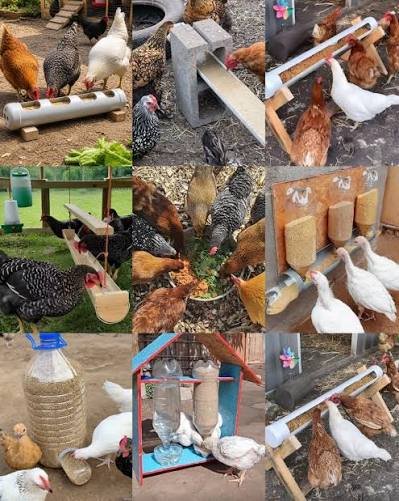
Clean the building and equipment properly and make sure drinkers and feeders are ready.
The house should provide suitable ventilation and protection from harsh weather and predators.
Provide Appropriate Brooding Conditions
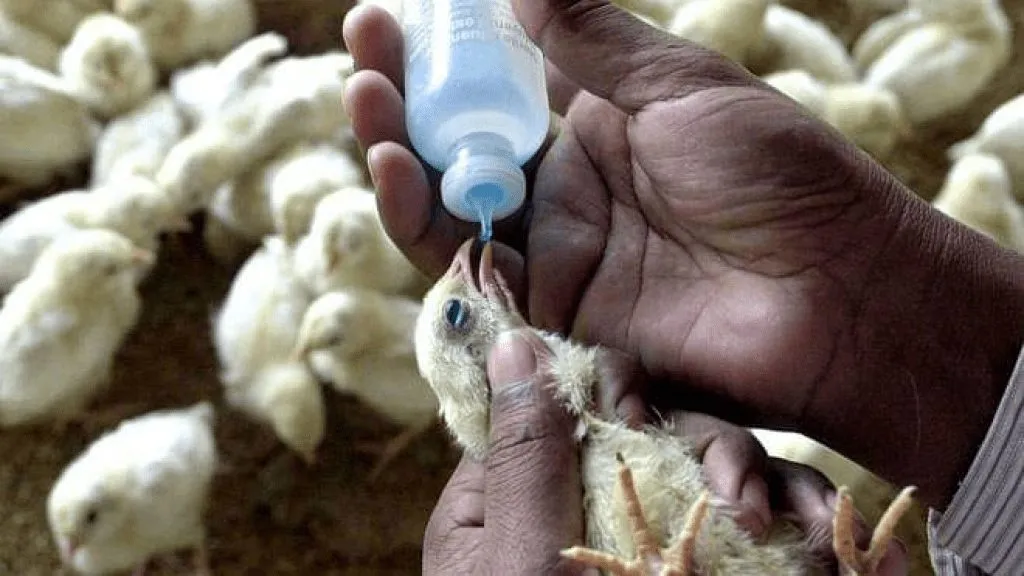
Young chicks require careful management during their early days.
Temperature, ventilation, litter condition, access to feed, and access to water all need close attention.
Farmers should follow appropriate brooding guidance and monitor chick behaviour.
Give Birds Appropriate Feed
Broilers require feed formulated for their stage of growth.
Starter, grower, and finisher feeds may be used as part of a feeding program depending on the production system and feed manufacturer's recommendations.
Avoid changing feeds carelessly.
Provide Clean Water
Water is essential for poultry.
Birds should have reliable access to clean drinking water.
Drinkers should be checked regularly and cleaned appropriately.
Maintain Good Hygiene
Cleanliness is one of the foundations of good poultry management.
Keep the poultry house reasonably clean and remove contaminated or excessively wet litter.
Control unnecessary movement of people and equipment between poultry houses.
Watch the Birds Every Day
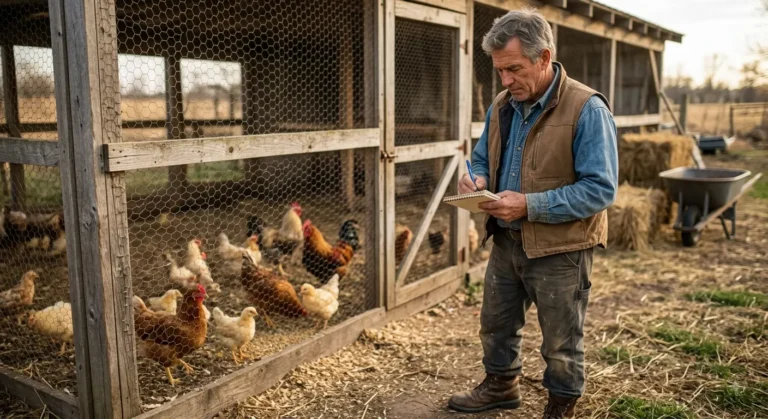
Do not wait until something appears seriously wrong before observing the flock.
Look at:
Feeding behaviour
Drinking behaviour
Movement
Droppings
Growth
Mortality
General appearance
Early detection of unusual changes can allow farmers to seek professional assistance sooner.
Keep Proper Records
Record keeping is often overlooked by new farmers.
Important records can include:
Number of chicks purchased
Purchase cost
Feed purchased
Feed consumed
Medication or veterinary expenses
Mortality
Labour expenses
Electricity and water costs
Sales
Final profit or loss
Without records, it becomes difficult to know whether the business is actually profitable.
Plan Your Market Before the Birds Mature
Do not wait until the birds are ready for sale before thinking about customers.
Identify potential buyers early.
Depending on your location, potential customers may include:
Individual consumers
Restaurants
Caterers
Food businesses
Market traders
Retail poultry sellers
Knowing your market can help you plan production more effectively.
Avoid Overcrowding
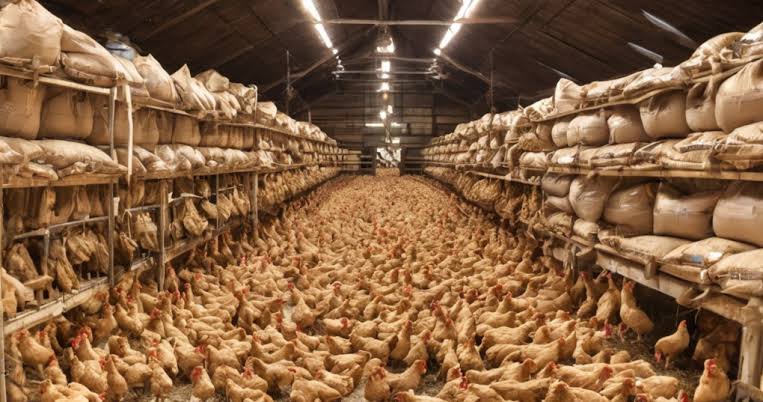
Too many birds in a limited space can create management challenges.
Overcrowding can affect ventilation, litter quality, bird access to feeders and drinkers, and overall flock management.
Follow appropriate stocking recommendations for your housing system.
Work With Professionals
When you notice unusual mortality, disease symptoms, poor growth, or other serious problems, seek advice from a qualified veterinarian or poultry professional.
Do not rely entirely on social media recommendations or unverified farm remedies.
Final Thoughts
Broiler farming can become a sustainable agricultural business when it is approached as a business rather than simply keeping chickens.
Good preparation, appropriate nutrition, clean water, hygiene, careful observation, proper records, and a reliable market all contribute to better farm management.
Start with a manageable number of birds, learn from each production cycle, keep records, and improve your system over time.
Comments
0 commentsBe the first to leave a comment on this article.