Introduction
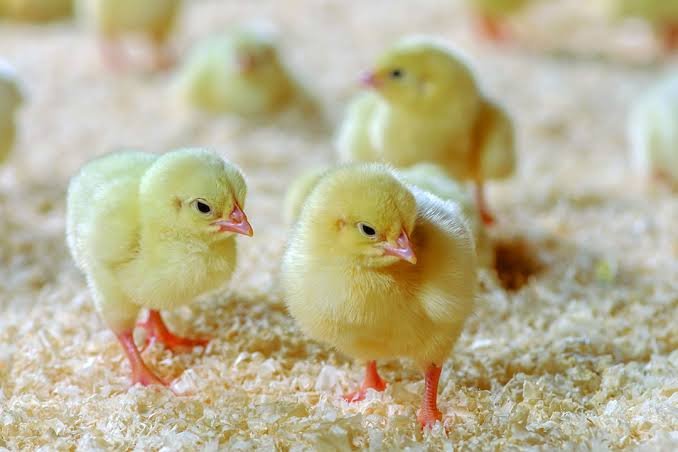
Every poultry production cycle begins with the chicks.
The quality and condition of chicks at arrival can influence how smoothly the early stage of production develops.
For this reason, farmers should take the sourcing of chicks seriously.
Buying from a reliable source and preparing properly before the chicks arrive can reduce avoidable problems.
Buy From a Reliable Hatchery
One of the first things to consider is the source.
Farmers should work with reputable hatcheries or reliable poultry suppliers with a history of providing quality chicks.
Ask questions about:
Breed or strain
Age of the chicks
Vaccination program
Hatch date
Expected performance
Transportation arrangements
Look at the General Condition of the Chicks
Healthy chicks should generally appear active and responsive.
When inspecting chicks, farmers should pay attention to their general appearance and behaviour.
Avoid accepting chicks that appear unusually weak, inactive, severely injured, or otherwise abnormal without first seeking appropriate professional advice.
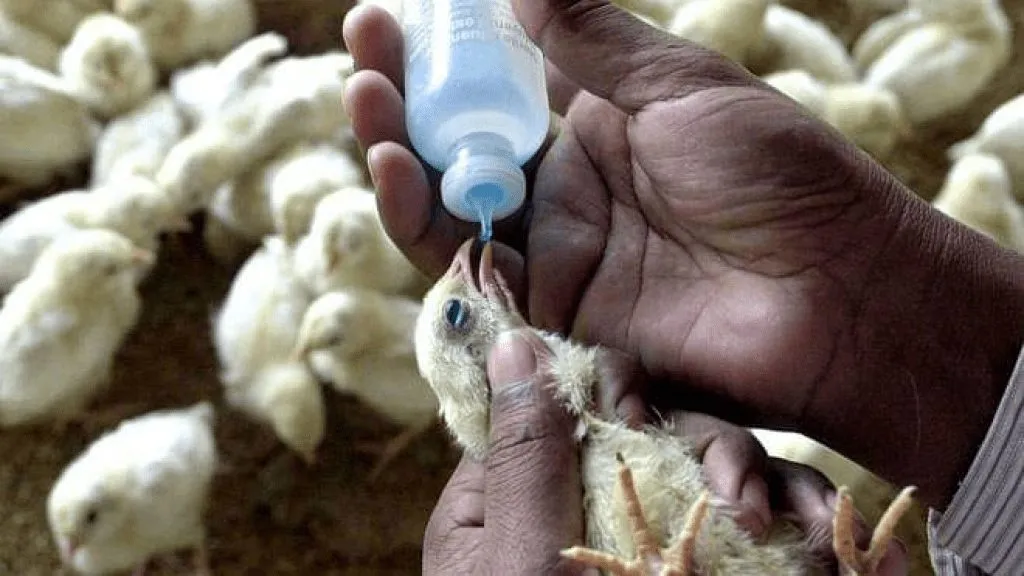
Check for Signs of Dehydration
Transportation can be stressful for young chicks.
Make sure they are provided with appropriate care as soon as they arrive at the farm.
Prepare clean drinking water before the chicks arrive so they can have access to water promptly.
Prepare the Brooder Before Arrival
Do not wait until the chicks arrive before preparing the brooding area.
Before arrival:
Clean the brooder
Prepare suitable litter
Set up feeders
Set up drinkers
Check ventilation
Prepare appropriate heating
Make sure clean water is available
Prepare suitable starter feed
Good preparation makes the arrival process much easier.
Know What Type of Bird You Are Buying
Broilers and layers are not raised for the same purpose.
Broilers are primarily raised for meat production, while layer strains are selected for egg production.
Make sure the chicks you purchase match your production objective.
Ask About Vaccination
Ask the supplier about the vaccination program already provided and what remains to be done.
Keep proper records and follow an appropriate vaccination and flock health program with guidance from a qualified veterinarian or poultry professional.
Transport Chicks Carefully
Young chicks are sensitive to transportation conditions.
Avoid unnecessary delays and excessive handling.
Transportation should provide appropriate ventilation and protection from extreme environmental conditions.
Avoid Mixing Unknown Flocks
Mixing birds from different sources can create additional management and health risks.
Where possible, maintain good biosecurity and know the source of the birds entering your farm.
Monitor Chicks After Arrival
The first few days deserve close attention.
Monitor:
Feeding
Drinking
Activity
Distribution around the brooder
Mortality
Droppings
General behaviour
Unexpected changes should be investigated promptly.
Why the First Days Matter
Young chicks develop rapidly.
Problems during the early stage can affect the performance of the flock later.
Good brooding, appropriate feed, clean water, hygiene, and careful monitoring are therefore important investments.
Do Not Focus Only on Price
The cheapest chicks are not necessarily the best choice for your farm.
Consider the complete picture:
Source
Breed or strain
Health status
Hatchery reputation
Transportation
Expected performance
Support available to the farmer
A small saving at purchase may not be worthwhile if it results in greater problems later.
Final Thoughts
Choosing good chicks is an important first step in poultry farming.
Farmers should source birds from reliable suppliers, prepare the brooding area before arrival, understand the birds' production purpose, maintain good hygiene, and monitor the flock carefully during the early days.
A strong production cycle begins with good preparation.
Comments
0 commentsBe the first to leave a comment on this article.