Introduction
Feed is one of the largest recurring expenses on a poultry farm.
When feed is wasted, the farmer is essentially paying for feed that never contributes to the growth or production of the flock.
The good news is that a significant amount of unnecessary wastage can often be reduced through better management.
Feed wastage can come from poorly positioned feeders, overcrowding, rodents, moisture, poor storage, damaged equipment, and careless handling.
Understanding where the losses are coming from is the first step toward controlling them.
Why Feed Wastage Matters
A small amount of wasted feed may not appear serious when viewed from one day.
But multiply that loss across several weeks, hundreds of birds, and multiple production cycles, and the financial impact can become significant.
Reducing wastage can help farmers:
Control production costs
Improve feed efficiency
Protect farm profits
Maintain cleaner poultry houses
Reduce pest problems
Improve overall farm management
1. Use the Right Feeder
Feeders should be suitable for the size and age of the birds.
A feeder that is too small may cause competition and spilling, while poorly designed feeders may allow birds to scratch or throw feed onto the floor.
Check your feeders regularly and replace damaged equipment.
2. Do Not Overfill Feeders
One common mistake is filling feeders excessively.
Birds can easily spill feed when feeders are too full.
Instead of focusing only on keeping feeders completely full, monitor how quickly the birds consume the feed and adjust the quantity appropriately.
3. Keep Feeders at the Correct Height
The position of the feeder matters.
Feeders should be adjusted according to the size of the birds so that they can comfortably access the feed without excessive scratching or spilling.
As birds grow, their equipment may need adjustment.
4. Keep the Poultry House Dry
Moisture can damage feed and encourage mould growth.
Wet or spoiled feed should not be treated as normal feed.
Store feed in a dry, clean location and protect it from rain, leaking roofs, damp floors, and other sources of moisture.
5. Protect Feed From Rodents
Rats and mice can consume and contaminate poultry feed.
Keep feed stores clean and properly secured.
Avoid leaving spilled feed around the poultry house because it can attract rodents and other pests.
6. Reduce Spillage During Transportation
Feed can also be wasted before it reaches the birds.
Handle bags carefully during transportation and storage.
Damaged bags should be dealt with promptly to prevent unnecessary losses.
7. Monitor Daily Feed Consumption
Farmers should know approximately how much feed their birds are consuming.
Keeping records makes it easier to identify unusual changes.
If feed consumption suddenly increases or decreases, investigate the possible reasons instead of simply accepting the change.
8. Avoid Poor Feed Storage
Feed should ideally be stored away from direct contact with the floor and protected from moisture.
The storage area should be clean, ventilated, and protected from pests.
Older feed should not simply be forgotten at the back of the store.
Use sensible stock rotation so that feed is used appropriately.
9. Clean Up Spilled Feed
Spilled feed should not be allowed to accumulate around the poultry house.
It can attract rodents, insects, and other pests.
Regular cleaning also helps maintain better hygiene around the flock.
10. Monitor the Birds
Bird behaviour can provide useful information.
If birds are constantly fighting around feeders, some may not be getting adequate access.
If birds are throwing large quantities of feed onto the floor, investigate the feeder design, height, fill level, and management practices.
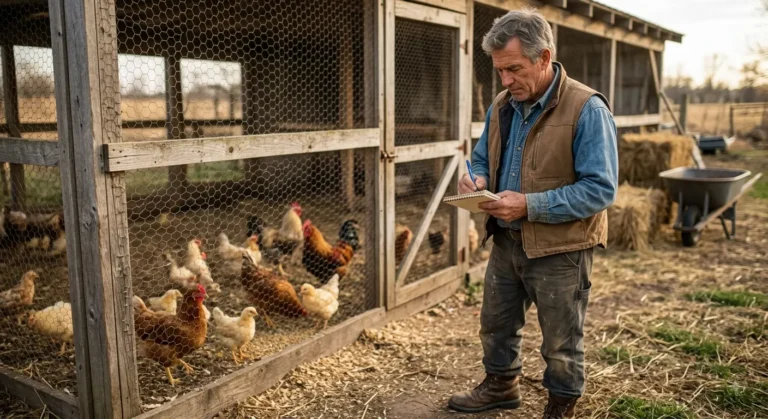
Keep Records
Good poultry farming requires good records.
Record:
Number of birds
Feed purchased
Feed consumed
Feed costs
Mortality
Growth or production
Unusual feed losses
These records can help you understand whether the farm is improving or losing money through avoidable wastage.
Final Thoughts
Reducing feed wastage does not always require expensive equipment.
Sometimes the biggest improvements come from simple management practices such as adjusting feeders, storing feed properly, controlling pests, and keeping accurate records.
For poultry farmers, every bag of feed represents an investment.
Managing that investment carefully can make a meaningful difference to the performance and profitability of the farm.
Comments
0 commentsBe the first to leave a comment on this article.