Introduction
Feed is one of the most important inputs in poultry farming.
A chicken cannot grow efficiently or maintain good production without appropriate nutrition. For farmers, feed is also one of the biggest recurring expenses, which means understanding how to manage it properly can have a major effect on farm performance.
But poultry do not need exactly the same type of feed throughout their lives.
Their nutritional requirements change as they grow.
Understanding these different stages can help farmers make better feeding decisions.
Why Poultry Feed Matters
Feed provides chickens with the nutrients they need for growth, maintenance, health, reproduction, and production.
A suitable poultry diet generally needs to provide appropriate amounts of:
Protein
Energy
Vitamins
Minerals
Amino acids
Other essential nutrients
The exact requirements depend on the type of bird, age, production stage, breed or strain, environment, and production objective.
Starter Feed
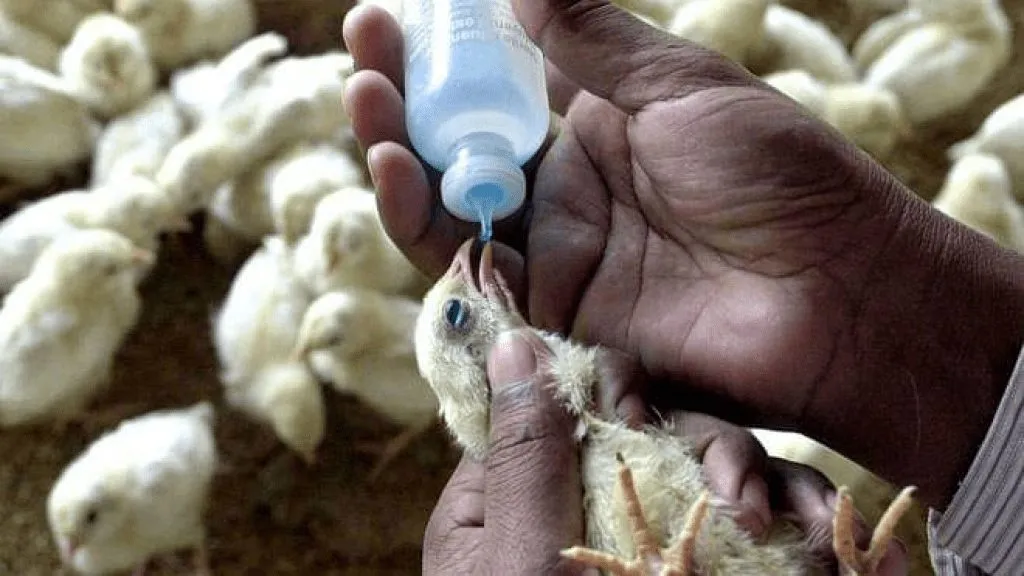
Starter feed is designed for young poultry during the early stage of growth.
Young chicks develop rapidly and require appropriate nutrition to support their early development.
For broilers, starter feed is typically formulated to provide relatively high nutritional density during the early growth period.
Farmers should follow the recommendations provided by the feed manufacturer and appropriate agricultural or veterinary professionals.
Grower Feed
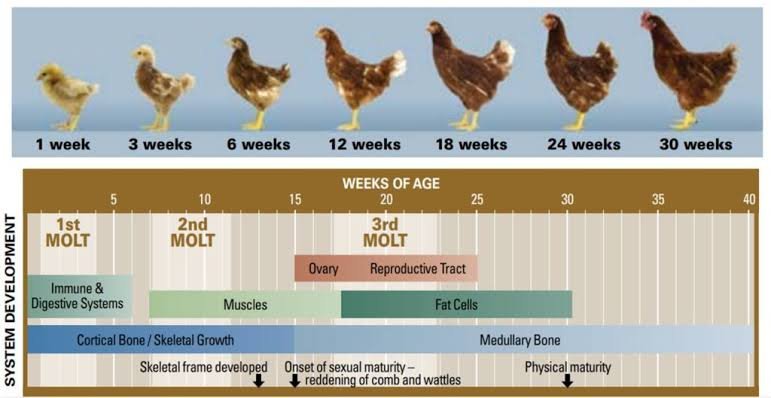
As birds grow, their nutritional requirements change.
Grower feed is designed for the growing stage after the initial starter period.
For broilers, this stage focuses on continued growth and efficient development.
For future laying birds, grower or developer diets are used to support appropriate development before the birds enter the laying stage.
Finisher Feed
Finisher feed is commonly used for broilers during the later part of the production cycle.
The objective is to support continued growth while meeting the nutritional needs of birds approaching market.
Farmers should avoid changing feeds randomly.
Transitions between feeding stages should be based on the birds' age, production program, feed manufacturer's guidance, and professional recommendations where necessary.
Layer Feed
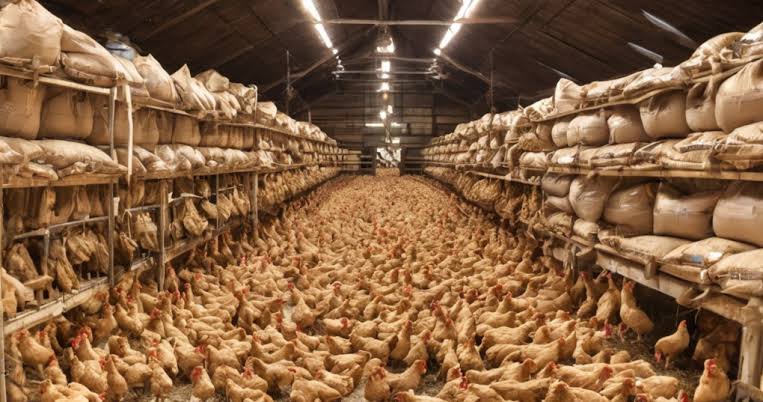
Layer feed is formulated for birds that are actively producing eggs.
Layers have nutritional requirements that differ from growing birds because egg production places additional demands on the bird.
Appropriate nutrition is particularly important for maintaining production and supporting good eggshell quality.
Why You Should Not Give Every Chicken the Same Feed
A chick, growing broiler, finishing broiler, and laying hen do not have exactly the same nutritional requirements.
Using an inappropriate diet for a production stage can affect growth, performance, feed efficiency, and overall flock management.
This is why farmers should choose feed according to the type and stage of the birds.
How Much Feed Do Chickens Need?
There is no single feed quantity that applies to every chicken.
Feed consumption varies according to:
Age
Breed or strain
Bird type
Body weight
Temperature
Production stage
Feed quality
Health status
Management system
Instead of relying on a random quantity from another farm, farmers should use appropriate feeding guidelines and monitor their own flock.
Prevent Feed Wastage
Feed wastage can quietly reduce poultry farm profitability.
Farmers should check that feeders are suitable for the birds and are positioned properly.
Avoid filling feeders excessively if birds are spilling large quantities of feed.
Monitor the condition of feeders and repair or replace damaged equipment.
Small amounts of daily wastage can become a significant expense over an entire production cycle.
Store Feed Properly
Good feed management does not stop when the feed is purchased.
Feed should be stored in a clean, dry location protected from:
Moisture
Rodents
Insects
Birds
Contamination
Avoid storing feed directly on a damp floor.
The storage area should also be regularly inspected for signs of pests, moisture, or spoilage.
Clean Drinking Water Is Essential
Feed management and water management should go together.
Birds need reliable access to suitable drinking water.
Drinkers should be cleaned regularly and positioned to reduce contamination.
If birds have feed but inadequate access to clean water, their performance can be affected.
Signs That Feed Management May Need Attention
Farmers should pay attention to changes in flock performance.
Possible warning signs include:
Unexpectedly slow growth
Changes in feed consumption
Poor body condition
Reduced egg production
Poor eggshell quality
Increased feed wastage
Uneven growth within the flock
These signs can have many possible causes, so farmers should investigate them rather than immediately assuming that feed is the only problem.
Do Not Change Feed Carelessly
Changing from one feed to another without considering the birds' production stage can create unnecessary problems.
When changing feed, follow an appropriate feeding program and the manufacturer's recommendations.
If there is a significant concern about flock performance or nutrition, seek advice from a qualified animal nutritionist, veterinarian, or agricultural professional.
Feed Quality and Poultry Profitability
Feed represents a major cost in poultry production.
That means farmers need to think about both feed quality and feed efficiency.
The goal should not simply be to buy the cheapest bag of feed.
A better approach is to consider the nutritional value, expected bird performance, wastage, storage, and overall cost per unit of production.
Keep Feed Records
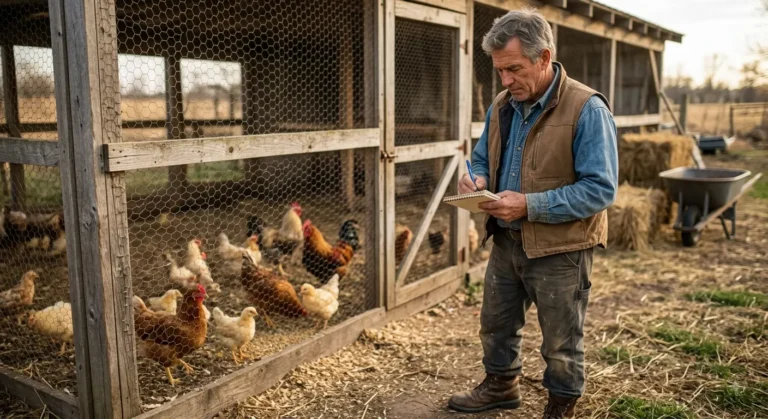
Record how much feed you purchase and how much the flock consumes.
Useful records can include:
Date of purchase
Type of feed
Number of bags purchased
Cost per bag
Total feed cost
Production stage
Feed consumption
Bird numbers
Mortality
These records can help you identify unusual consumption and calculate the cost of feeding the flock.
Work With Reliable Feed Suppliers
Farmers should source feed from reliable suppliers and pay attention to product information, storage conditions, manufacturing dates, and other relevant details.
If you suspect that a feed is contaminated, spoiled, or unsuitable, do not continue using it without investigating the issue.
Final Thoughts
Poultry nutrition is one of the foundations of successful poultry farming.
Young chicks, growing birds, finishing broilers, and laying hens have different nutritional requirements, which is why feeding programs should change according to the production stage.
Good feed management also means reducing wastage, storing feed properly, providing clean water, keeping accurate records, and monitoring flock performance.
At JENFRANK FARMS, we believe that practical knowledge can help farmers make better decisions and build more sustainable agricultural businesses.
Continue exploring the JENFRANK FARMS blog for more guides on poultry production, animal feeds, livestock management, farm business, and agriculture in Nigeria.
Disclaimer
This article is provided for general educational purposes and should not replace professional animal nutrition or veterinary advice. Feeding requirements can vary according to breed, age, production system, environment, feed formulation, and other factors. Farmers should follow appropriate feed manufacturer's guidance and consult qualified agricultural or veterinary professionals when necessary.
Comments
0 commentsBe the first to leave a comment on this article.